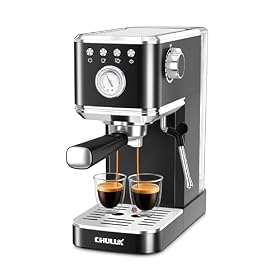
A home espresso machine can cost roughly $100 to $4,000 or more, depending on its controls, heating system, and build. A grinder and basic accessories can add substantially to the total.
A home espresso machine typically costs about $100 to $4,000 or more in the US. Basic pump machines are at the low end, while machines with more control, stronger temperature stability, or faster milk steaming cost more. For a setup that can grind fresh beans, budget for a grinder and a few basic accessories as well.
These are broad retail ranges, not fixed prices. Sales, included accessories, and manufacturer changes can shift costs.
Typical home espresso machine price ranges
Entry-level: about $100–$300
Machines in this range can make espresso-style drinks, but low prices often mean fewer adjustments, less consistent temperature control, or more plastic components. Some require pressurized baskets, which make brewing easier with pre-ground coffee but limit control over extraction.
This tier can suit occasional use or someone who wants to explore espresso without a large upfront investment. Check what the machine includes and whether replacement baskets or other parts are available.
Midrange: about $300–$800
This range often offers more practical controls, sturdier construction, and better options for dialing in coffee. It can be a sensible starting point for regular home use, especially if you are willing to learn how grind size and dose affect the shot.
Machines vary considerably within this range. Look for clear information about temperature control, basket type, warm-up time, and how the machine handles steaming—not just a high pressure number on the box.
Higher-end home machines: about $800–$2,000
At this level, you may find more stable temperature management, more durable components, and improved steaming or workflow. Some machines let you brew and steam at the same time; others require switching between those tasks. That difference matters if you often make milk drinks.
A higher price does not automatically make a machine easier to use. Choose features that match your routine rather than paying for controls you will not use.
Premium and prosumer: about $2,000–$4,000 or more
Premium machines can offer more substantial construction, advanced temperature control, or convenient brewing and steaming systems. They are most likely to make sense for frequent users who value control, durability, and workflow enough to justify the cost.
They also make less sense if the grinder is an afterthought: a capable machine cannot compensate for coffee ground too coarsely or inconsistently.
Product prices and availability are accurate as of the date/time indicated and are subject to change. Any price and availability information displayed on Amazon.com at the time of purchase will apply to the purchase of this product.
Budget for the whole setup
The machine is only part of the cost. A grinder suitable for espresso can add roughly $100–$500 or more, depending on its adjustment range, consistency, and features. A grinder that works well for drip coffee may not adjust finely enough for espresso.
You may also want a scale, a milk pitcher, a knock box, and cleaning supplies. Some machines include a basic tamper or pitcher, but included accessories vary. Check the box contents before buying duplicates.
A practical budget is therefore the machine price plus the grinder and any missing essentials. If your total budget is firm, it is often better to balance the machine and grinder than to spend nearly everything on the machine.
Product prices and availability are accurate as of the date/time indicated and are subject to change. Any price and availability information displayed on Amazon.com at the time of purchase will apply to the purchase of this product.
What changes the price?
Temperature control: More stable control can make brewing more repeatable, but the feature and its implementation vary.
Boiler and steaming design: A machine that can brew and steam at the same time may cost more than one that must switch between tasks.
Build and serviceability: Metal construction, replaceable parts, and access to service can affect long-term value.
Controls and automation: Programmable settings and automatic drink functions may add convenience, but do not guarantee better espresso.
Included accessories: A bundle may appear cheaper until you compare the grinder, baskets, and other items included.
Product prices and availability are accurate as of the date/time indicated and are subject to change. Any price and availability information displayed on Amazon.com at the time of purchase will apply to the purchase of this product.
How to choose a budget
Start with how often you will make espresso and whether you mostly drink straight shots or milk drinks. Then reserve money for a grinder if you do not already own one. Compare machines on the features you will actually use, and check whether the required accessories are included.
If you are unsure whether espresso will become a regular habit, a modest setup may be more sensible than a premium machine. If you make drinks daily, value repairability and a grinder that can keep up with espresso adjustments. Always confirm dimensions, electrical requirements, care instructions, and included parts with the manufacturer before ordering.
FAQ
What is a reasonable budget for a home espresso machine?
Many buyers can find a usable home machine for about $300–$800, though entry-level options cost less and premium machines cost much more. Include a suitable grinder in your budget if you do not already have one.
Do I need to buy a separate grinder?
Not always. Some machines include a grinder, but many do not. For separate machines, an espresso-capable grinder is important because grind size affects how quickly water passes through the coffee.
Is an expensive espresso machine worth it?
It can be worthwhile if you make espresso often and value features such as temperature control, faster milk-drink workflow, or serviceable construction. A higher price alone does not guarantee better results, and grinder quality matters too.
What extra items should I budget for?
Depending on what comes with the machine, you may need a grinder, scale, milk pitcher, knock box, and cleaning supplies. Check the included accessories and the manufacturer’s care requirements before buying.