
Bottomless Portafilter That Fits Your Machine
A bottomless portafilter is only useful if it locks into your espresso machine correctly. Check the group size, lug pattern, basket…
Help choosing and troubleshooting a home espresso machine without cafe-pro jargon getting in the way.
A bottomless portafilter is only useful if it locks into your espresso machine correctly. Check the group size, lug pattern, basket…
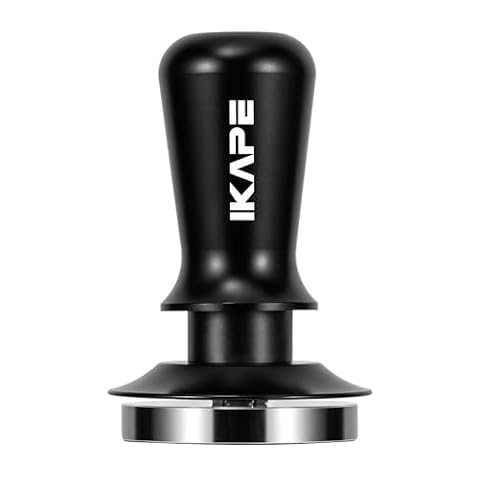
A calibrated tamper only helps if its base matches the basket. Here’s how to check diameter, basket shape, depth, and pressure design…

A second portafilter can make back-to-back espresso sessions easier, especially when one portafilter is drying. Check your machine’s fit,…
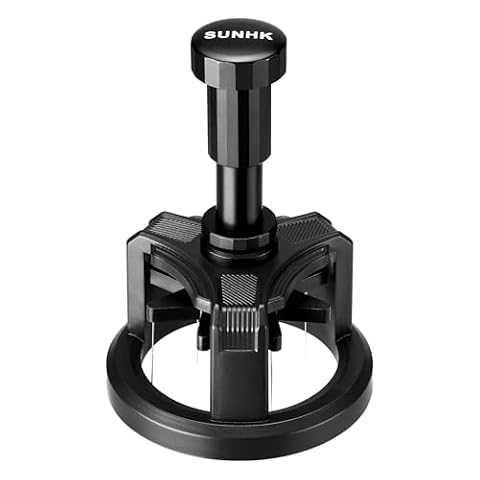
A WDT tool and a properly sized tamper can make espresso puck preparation more consistent. Here is how to choose both without paying for…

A suitable milk pitcher and thermometer make milk steaming easier to learn and repeat. Here is what matters when choosing size, material,…

A 58mm portafilter refers mainly to the basket diameter, not a universal ear or locking pattern. Check the group head, lug position, ear…

A bottomless portafilter can make puck preparation problems easier to see, but it does not automatically improve espresso. Learn when it is…
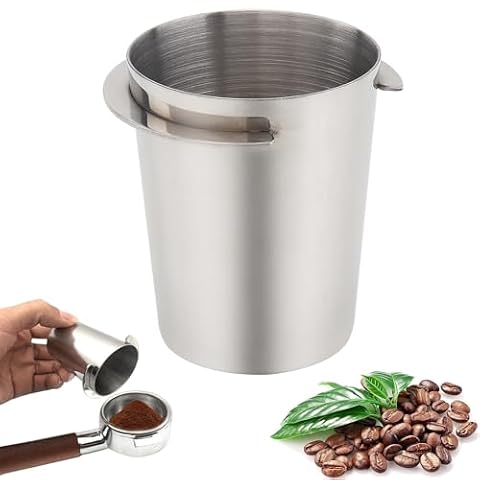
A knock box and a dosing cup solve different espresso-preparation tasks. Here’s how each accessory works, whether you need both, and what…

A naked, or bottomless, portafilter is useful because it exposes the underside of the coffee puck during extraction. Here is how to read…
Before replacing an espresso machine, check whether the basket is limiting your results. A compatible precision basket or portafilter may…
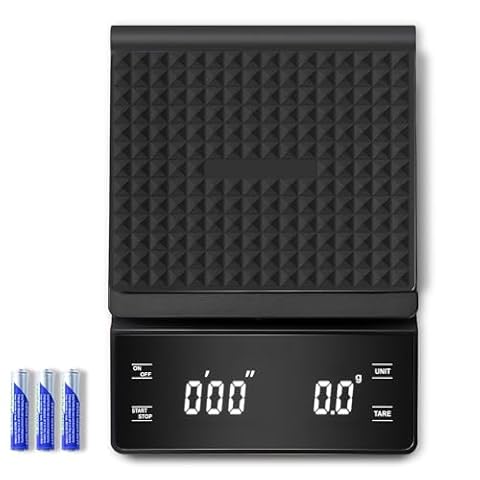
A separate shot timer can help you track espresso consistently if your machine has no built-in timer. Choose a simple timer for timing…

The best compact espresso machine is small enough for your counter but still offers the controls and workflow you need. Compare machine…

The best beginner espresso machine depends on whether you want hands-on control, fast convenience, or the simplest possible cleanup. This…
The best espresso machine for lattes at home should make balanced espresso and produce smooth, finely textured milk without adding…

If you mostly drink straight espresso, prioritize shot control, temperature consistency, grinder quality, and a simple workflow over…

For two people who mainly drink lattes or cappuccinos, the best espresso machine is one that can recover quickly, steam milk consistently,…
For one espresso a day, the best machine is usually a compact pod model for maximum convenience or a small semi-automatic machine if you…

The best espresso machine for someone who will not steam milk is usually a compact machine focused on brewing espresso, with no need to pay…

The best super-automatic espresso machine for weekday mornings is the one that makes your usual drink quickly with minimal cleanup. Focus…

A 15-amp circuit can often support a home espresso machine, but the machine, grinder, and other appliances share the circuit. Check the…

Measuring the space under your cabinets is only the first step. Before buying an espresso machine, check vertical clearance, depth, width,…

A three-way valve helps release brewing pressure when a shot ends, making the portafilter easier to remove and the coffee puck easier to…

A quiet pump can make apartment espresso more pleasant, but it is only one part of the noise picture. Here is how to compare pump types,…

A single-boiler espresso machine can make excellent espresso, but you must wait for it to switch from brewing to steaming. A dual boiler…

For a small kitchen, choose an espresso machine by its full footprint, required clearance, and workflow—not just the advertised width.…

The key difference is how quickly you can switch between brewing espresso and steaming milk. Choose a single boiler for simpler, lower-cost…

The best compact espresso grinder is not simply the smallest one. It needs enough adjustment range for espresso, a practical dosing…

A good grinder removes one of the biggest variables in espresso, so your machine choice can focus on temperature control, steam…

Before spending more on an espresso machine, check whether your grinder is limiting shot quality. A capable burr grinder can improve grind…

A grinder that can make espresso needs more than a fine setting. Look for consistent burr grinding, small adjustment steps, low retention,…

A home espresso setup is a two-part purchase: the machine makes the coffee, but the grinder largely determines how consistently you can…

A built-in grinder saves counter space and simplifies the morning routine, while a separate grinder usually offers more control, easier…
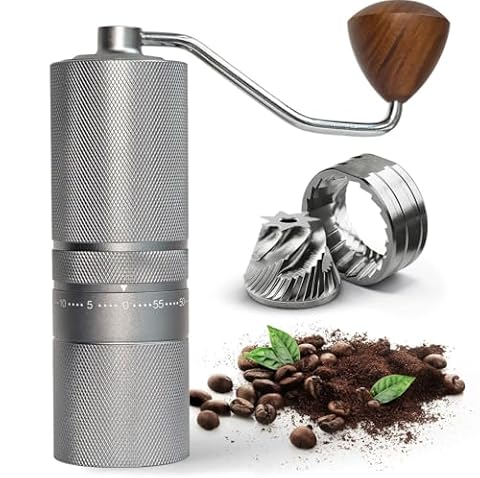
A pressurized basket is forgiving, so you do not need the most expensive espresso grinder. Look for consistent grinding, useful adjustment…

A pressurized basket can make pre-ground coffee or an inconsistent grind look acceptable by creating artificial pressure. Here is how to…

Uneven tamping and grinder clumps can both cause channeling, but they leave different clues in the portafilter. Here is how to separate the…
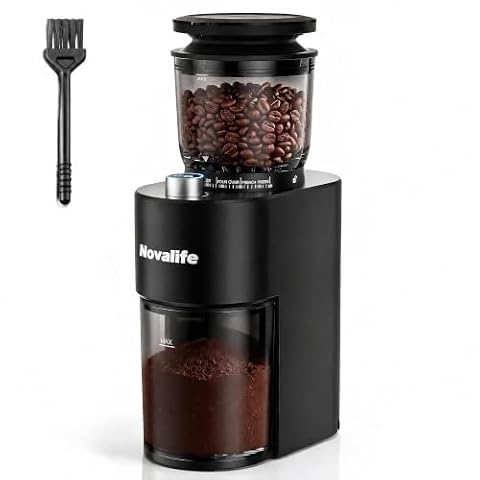
Before assuming your espresso machine is failing, compare your usual beans with a recently roasted bag. Stale coffee can change shot speed,…

A capable grinder gives you control over espresso extraction; a more expensive machine cannot compensate for coffee ground too…
A blind basket is the sealed basket used to backflush many espresso machines. Here is how to check compatibility, use detergent correctly,…
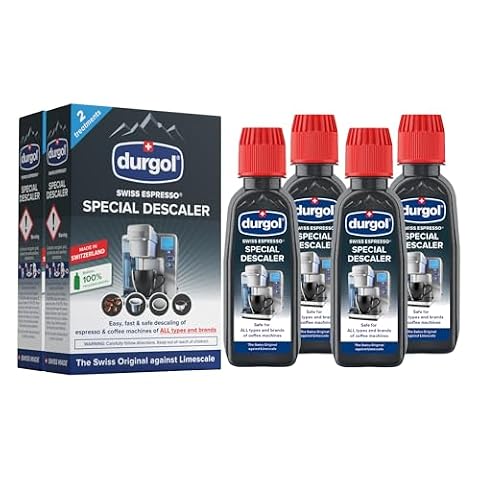
A descaler removes mineral buildup inside an espresso machine, while a water filter helps reduce the minerals that cause it. Here is how to…
A leaking group gasket is usually an age-related seal problem, but coffee residue, an incorrectly seated gasket, or a damaged portafilter…

A replacement group gasket can stop leaks around an espresso machine’s portafilter, but only if its dimensions and profile match the group…

The safest espresso machine descaler is the one approved for your machine and used at the stated dilution. Compare descaler formulas, avoid…

The yearly cost of maintaining an espresso machine depends mainly on water hardness, brew frequency, and whether the machine uses a…
Hard water leaves mineral scale inside an espresso machine boiler. Over time, that scale reduces heating efficiency, restricts valves and…

Backflushing cleans the brew circuit and three-way valve on compatible espresso machines. Follow these steps, use the right basket, and…
Descaling removes mineral buildup that can reduce flow, affect temperature, and damage an espresso machine. Follow the manufacturer’s…
Purge the steam wand before and after steaming, then wipe it immediately to prevent milk from drying inside or on the tip. This guide…

If your espresso machine’s scale light stays on after descaling, the cycle may not have registered as complete. Check the descale steps,…
A filter pitcher treats the water before it reaches your espresso machine, while an in-tank softener treats water inside the machine's…

A super-auto milk system can save you from steaming milk by hand, but its automatic rinse is not a substitute for cleaning the parts that…
Hard water can leave mineral scale inside an espresso machine, but very soft or unsuitable water can cause other problems. Test your water…
A beginner semi-automatic espresso machine with a pressurized basket can make espresso-style drinks without requiring advanced grinding and…

A good beginner espresso setup is usually a simple espresso machine paired with a capable burr grinder. Here is how to choose both without…

A small espresso machine can fit a tight counter without feeling inconvenient, but width is only part of the decision. Check depth, top…
A dual-boiler espresso machine can improve temperature control and milk-drink workflow, but better technique and equipment often cost less…

A home espresso machine can cost roughly $100 to $4,000 or more, depending on its controls, heating system, and build. A grinder and basic…

A plumbed-in espresso machine can cost more than its purchase price if your kitchen needs a water line, filtration, or professional…

A cafe subscription can be the better value if you make espresso drinks only occasionally, want no equipment to maintain, or prefer the…

Channeling in a bottomless portafilter usually comes from uneven puck resistance, not a defective portafilter. Check the basket, grinder,…

Espresso that comes out only as slow drops is usually caused by a grind that is too fine, too much coffee, excessive tamping, or a blocked…

Espresso that gushes from the portafilter usually means the water is meeting too little resistance. Start by grinding finer, then check…

An espresso machine that is not heating up may have a simple power, water, or settings problem—or a failed heating component. Use these…

Water under an espresso machine’s drip tray is often caused by a full or poorly seated tray, a misplaced water tank, or normal drainage.…
A portafilter that will not lock usually has an easy mechanical cause: too much coffee, a dirty basket rim, a displaced gasket, or an…
If your espresso machine pump suddenly sounds loud and then stops, stop repeated brewing attempts. The usual causes are an empty or poorly…
Weak steam often comes from a clogged wand tip or a machine that is not fully ready to steam. Check those first, then inspect setup and…
A steam wand may spit water briefly while it heats or as condensed water clears. If it keeps sputtering, check the steam setting and…

If finer grinding made your espresso more bitter, stop adjusting the grinder for a moment. Check the coffee, shot yield, flow time, and…
A stuck puck is usually a cleanup annoyance, not a sign your espresso machine is broken. Check basket cleanliness and dose first, then…

A plastic taste often comes from a new or poorly rinsed reservoir, a water filter, or water sitting in the tank. Clean and rinse the…
Sour espresso usually means the coffee is under-extracted, though some beans naturally taste bright. Start by checking your beans and…

The best espresso machine for five morning lattes is the one that keeps brewing and steaming predictable without creating extra setup and…
If most of your drinks include steamed milk but you still want a good straight espresso occasionally, prioritize reliable steaming and an…

For lattes and cappuccinos, prioritize a machine that can steam milk well and fit your drink-making routine. The right choice depends on…
For mostly americanos, prioritize consistent espresso and a convenient way to add hot water. You usually do not need to pay extra for fast,…
If your household wants both espresso and drip coffee, first check whether a combo machine actually brews filter coffee. For many homes,…

A pod machine is usually the easier office choice. A mini semi-auto makes more sense if you value control and fresh-ground coffee enough to…
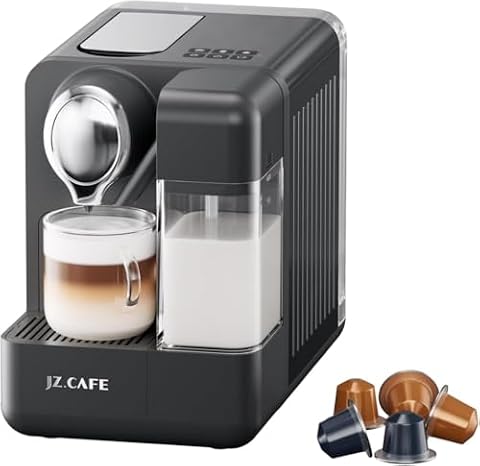
If you will not grind coffee daily, a capsule espresso machine may be the better choice. Here is how it compares with a grinder-based setup…
An entry semi-automatic espresso machine is usually the simpler, lower-cost choice, while a midrange heat-exchanger machine is built for…

A manual lever espresso machine can produce excellent espresso without a pump, but it replaces automated pressure with hands-on control.…

A moka pot can be a practical alternative to an espresso machine if you want strong, concentrated coffee without the cost and maintenance…

A pod machine is the easier choice for fast, consistent coffee, while a traditional espresso machine offers more control and fresher…

Pressurized baskets are easier and more forgiving, while non-pressurized baskets offer more control and better feedback. Here is how to…
A semi-automatic machine gives you more control over espresso preparation, while a super-automatic machine handles grinding, dosing,…
A panarello wand makes milk frothing easier, while a traditional manual wand offers more control and better microfoam. Here is how to…

An AeroPress can make a concentrated, satisfying cup with less equipment and cleanup than an espresso setup. It is not espresso, though:…
A home espresso machine can pay off if you make drinks often and enjoy the routine. If you drink espresso occasionally or value convenience…

A PID controls temperature directly, while a pressurestat uses steam-boiler pressure as an indirect temperature signal. The better choice…
A thermoblock can produce good steam, but its performance depends heavily on whether it has a dedicated steam circuit. Learn when a…
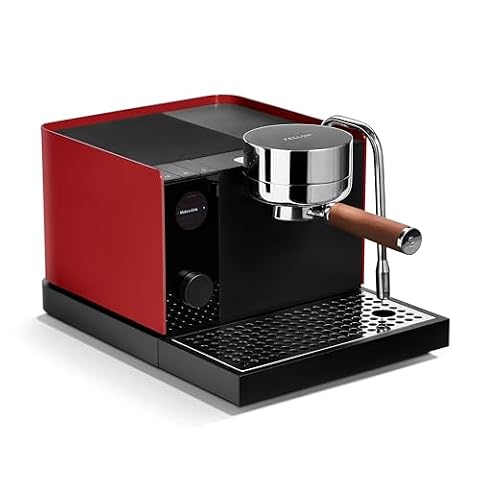
Flow profiling can change how water reaches the coffee during a shot, but it is most useful after you can pull repeatable espresso. Here’s…
A home espresso machine heats water and forces it through finely ground, compacted coffee under pressure. Here’s what happens inside the…
Most espresso machines need more than the time it takes for the ready light to turn on. Warm-up depends on the machine’s design, and the…
An OPV limits excess pump pressure by diverting water around the brew circuit. If pressure seems high, first check how it was measured and…
In espresso, 9 bars refers to the pressure used to push water through the coffee during extraction—not necessarily the pump’s maximum…
A useful espresso machine review explains how the machine was set up, what it can consistently do, and where its limits show up in everyday…

Very fresh beans can make espresso testing less representative of everyday use. Here’s how to judge what a review’s shots actually tell you…

A steady temperature display is not the same as steady water temperature at the coffee. Here’s what a useful espresso machine review should…
If you skipped descaling, your espresso machine warranty may still cover unrelated failures. Coverage for a scale-related problem depends…