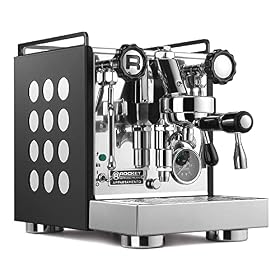
Single Boiler vs. Heat Exchanger vs. Dual Boiler Espresso Machines
The key difference is how quickly you can switch between brewing espresso and steaming milk. Choose a single boiler for simpler, lower-cost use; consider a heat exchanger or dual boiler if you regularly make milk drinks and value faster workflow.
The short answer
A single-boiler espresso machine makes you switch between brewing and steaming, so it suits people who mostly drink espresso or don’t mind waiting between steps. A heat-exchanger machine can brew and steam at the same time using one boiler, while a dual-boiler machine has separate boilers for each task and offers the most independent control.
That convenience usually comes with greater cost and complexity. The right choice depends less on the boiler count alone than on how often you make milk drinks, how many drinks you prepare in a row, and how much control you want.
Single-boiler machines for espresso-focused home use
Product prices and availability are accurate as of the date/time indicated and are subject to change. Any price and availability information displayed on Amazon.com at the time of purchase will apply to the purchase of this product.
How each boiler design works
Single boiler
One boiler heats water for brewing and steaming. Because espresso brewing and milk steaming need different temperatures, many single-boiler machines switch between brew and steam modes. You generally pull the shot, wait for the machine to heat up for steaming, steam the milk, then allow it to cool or return to brewing temperature before making another shot. The exact sequence and wait time depend on the machine.
This design is straightforward and can be a good fit for espresso-focused use. Its main compromise is workflow: making several milk drinks in succession can take longer.
Heat exchanger
A heat-exchanger (HX) machine uses one boiler, typically maintained at steam temperature. Fresh water for brewing travels through a separate tube inside that boiler and heats up on its way to the group. This lets the machine brew espresso and steam milk at the same time.
HX machines can make a milk-drink workflow faster without having two boilers. Depending on the design and how long the machine has been idle, you may need a cooling flush before brewing to bring the brew water to a suitable temperature. Follow the machine’s instructions; flush routines are not identical across models.
Dual boiler
A dual-boiler machine has one boiler for brewing and another for steam. The separate systems allow you to brew and steam simultaneously and, on machines with suitable controls, adjust brew and steam temperatures independently.
This is useful for frequent milk drinks, back-to-back preparation, or people who want more control over brewing temperature. It is usually a more involved and expensive design than a single boiler, and the extra features matter less if you rarely steam milk.
Heat-exchanger machines for simultaneous brewing and steaming
Product prices and availability are accurate as of the date/time indicated and are subject to change. Any price and availability information displayed on Amazon.com at the time of purchase will apply to the purchase of this product.
Which type fits your routine?
Choose a single boiler if you mostly drink straight espresso, make milk drinks occasionally, or prefer a simpler machine and can accept pauses between brewing and steaming.
Consider a heat exchanger if you regularly make milk drinks and want to brew and steam at once, but don’t need separate brew- and steam-boiler controls.
Consider a dual boiler if you often make several milk drinks in a row or want independent temperature control and simultaneous brewing and steaming.
If you usually make only one drink at a time, the speed advantage of an HX or dual boiler may not justify the added cost for you. If you make drinks for several people, simultaneous operation can make a noticeable workflow difference.
Dual-boiler machines for frequent milk drinks and temperature control
Product prices and availability are accurate as of the date/time indicated and are subject to change. Any price and availability information displayed on Amazon.com at the time of purchase will apply to the purchase of this product.
What to compare beyond boiler type
Boiler architecture is important, but it does not tell you everything about espresso quality or ease of use. Compare the machine’s temperature controls, warm-up requirements, group design, serviceability, and the manufacturer’s recommended operating routine. Features and performance vary between machines with the same boiler type.
Also consider your grinder and coffee. A more complex machine cannot compensate for an unsuitable grind or inconsistent preparation. Before choosing, check that the machine’s basket and portafilter setup works for the accessories you plan to use, and make sure its cleaning and descaling instructions fit your routine.
FAQ
Can a single-boiler espresso machine make cappuccinos?
Yes. It can brew espresso and steam milk, but you generally need to switch temperatures between the two tasks. That adds time, especially when making multiple drinks.
Can a heat-exchanger machine brew and steam at the same time?
Typically, yes. It uses one boiler and a heat exchanger to heat brew water separately from the boiler water used for steam. The machine’s instructions may call for a cooling flush before brewing in some conditions.
Is a dual boiler always better than a heat exchanger?
Not for everyone. A dual boiler offers separate brew and steam boilers and may provide independent temperature controls, but an HX machine can also brew and steam simultaneously. Your drink volume, desired control, budget, and preferred workflow determine which is the better fit.
Which type is best for mostly straight espresso?
A single boiler is often sufficient if you rarely steam milk and are comfortable with its brew-to-steam routine. Compare temperature controls and other features too, since boiler type alone does not determine espresso performance.