Espresso that gushes from the portafilter usually means the water is meeting too little resistance. Start by grinding finer, then check dose, puck prep, basket fit, and bean freshness.
Espresso coming out too fast usually means the coffee puck is not providing enough resistance. The most common fix is to grind finer, but dose, tamping, channeling, basket size, stale beans, and machine setup can also cause a fast shot. Make one adjustment at a time so you can tell what helped.
As a starting point, many espresso recipes aim for about 1 gram of brewed espresso for every 2 grams of dry coffee—such as 36 grams out from 18 grams in—in roughly 25 to 30 seconds. This is only a reference point; the best time depends on the coffee, basket, machine, and preferred taste.
1. Grind finer first
If the shot starts flowing almost immediately or reaches the target yield well before your usual brew time, the grind is probably too coarse. A coarse grind leaves larger gaps between particles, allowing water to pass through quickly.
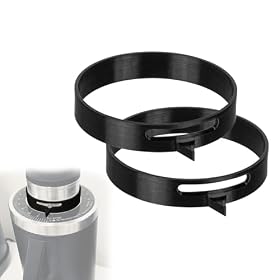
Adjust the grinder slightly finer, then prepare another shot with the same dose and target yield. Small adjustments are usually better than making a large change. If the shot becomes painfully slow or barely drips, move slightly coarser.
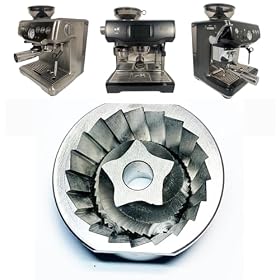
If you use a blade grinder, achieving a consistent espresso grind can be difficult. An espresso-capable burr grinder gives you more precise control and usually makes dialing in easier.
2. Confirm the dose matches the basket
Using too little coffee in a basket creates a shallow puck that offers less resistance. Check the basket’s intended capacity and weigh the dose if possible. A double basket may be designed for a particular range, but the correct dose depends on the basket and the coffee.
Do not automatically add a large amount of coffee to slow the shot. Overfilling can cause the puck to contact the shower screen, restrict flow, or produce uneven extraction. Change the dose gradually and keep the dose consistent while adjusting the grinder.
A simple espresso scale helps you track both the dry dose and the liquid yield. Without weighing, it is easy to mistake a changing dose for a grind problem.
Product prices and availability are accurate as of the date/time indicated and are subject to change. Any price and availability information displayed on Amazon.com at the time of purchase will apply to the purchase of this product.
3. Look for channeling and uneven puck prep
A shot can run fast even with a fine enough grind if water finds cracks or weak spots in the puck. This is called channeling. Common signs include spurting from the portafilter, a stream that shifts sharply to one side, blonding very early, or a fast shot that tastes both sour and harsh.
Before tamping:
Distribute the grounds evenly in the basket.
Break up visible clumps with a suitable distribution tool or careful stirring with a thin needle tool.
Make sure the coffee is not piled higher on one side.
Tamp level with firm, consistent pressure.
Tamp pressure matters less than a level, repeatable tamp. Pressing much harder will not reliably correct uneven distribution. Keep the portafilter steady and avoid knocking the puck after tamping.
Product prices and availability are accurate as of the date/time indicated and are subject to change. Any price and availability information displayed on Amazon.com at the time of purchase will apply to the purchase of this product.
4. Check the basket and portafilter
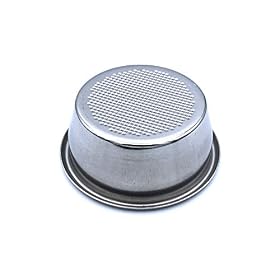
Make sure the basket is fully seated and that you are using the correct basket for the dose. A basket that is too large for the amount of coffee can produce a thin puck and rapid flow. A pressurized or dual-wall basket behaves differently from a standard single-wall basket, so use the preparation method intended for that basket.
Inspect the basket holes for damage or blockage. A damaged basket can distribute water unpredictably. Clean coffee oils and residue from the basket, portafilter, and group-head screen according to the machine manufacturer’s instructions.
If you recently changed baskets, portafilters, or dose size, the grinder will need to be dialed in again.
Product prices and availability are accurate as of the date/time indicated and are subject to change. Any price and availability information displayed on Amazon.com at the time of purchase will apply to the purchase of this product.
5. Check the coffee beans
Stale coffee often produces weak, fast-flowing espresso because it has lost much of its carbon dioxide and may not build the same resistance in the puck as fresher coffee. Beans do not need to be used immediately after roasting, but coffee that has been open for a long time may be harder to dial in.
Use beans stored sealed and away from heat, light, and moisture. If you change to a different coffee, expect to adjust the grinder. Different roast levels, origins, processing methods, and bean densities can require noticeably different settings.
6. Verify the machine setup
Run the machine with the portafilter removed and confirm that water comes evenly from the group head. If the flow is unusually weak, uneven, or accompanied by debris, clean the group-head screen and follow the manufacturer’s cleaning procedure.
Also check that:
The portafilter is locked in fully.
The group-head gasket is seated correctly.
The machine has reached brewing temperature.
The water tank is filled and properly seated.
You are not accidentally using a preprogrammed short or long brew setting that changes the result.
Do not change pump-pressure adjustments just to slow a fast shot. Pressure problems are less common than grind and puck-preparation problems, and internal adjustments can damage the machine or create a safety issue. Follow the manual or contact a qualified service professional if pressure appears abnormal.
A quick dialing-in routine
Use this repeatable process:
Weigh the same dose into a clean, dry basket.
Distribute and tamp the puck level.
Start the shot and stop it at a measured yield.
If the yield arrives too quickly, grind finer.
If the shot is too slow, grind coarser.
Taste the espresso before making another change.
A fast, thin, sour shot generally needs more extraction, often through a finer grind or more consistent puck preparation. A fast shot that tastes bitter or harsh may be channeling rather than simply being too coarse, so inspect the puck preparation instead of grinding dramatically finer.
When to replace a part or service the machine
Replace a worn basket, damaged gasket, or unreliable grinder component when cleaning and correct setup do not solve the problem. A grinder may need replacement if its adjustment is inconsistent, it produces very uneven grounds, or it cannot grind fine enough for espresso.
If several coffees run fast despite a fine, consistent grind and careful puck preparation, check the machine’s group-head flow and follow its maintenance instructions. Persistent leaks, unusual pump behavior, electrical faults, or pressure issues should be handled by the manufacturer or a qualified technician. Unplug the machine before inspecting anything beyond routine removable parts, and never open a powered espresso machine.
The most common cause is a grind that is too coarse. Other possibilities include too little coffee in the basket, uneven distribution, channeling, stale beans, an incorrectly fitted basket, or a machine setup problem.
Should I grind finer if espresso comes out too fast?
Usually, yes. Make a small adjustment finer and keep the dose and yield the same for the next shot. If the flow becomes extremely slow, move slightly coarser.
Can tamping harder fix fast espresso?
Usually not. A level, consistent tamp is more important than maximum force. Fast flow is more often corrected through grind size, correct dose, and even distribution.
How fast should espresso come out?
A common starting target is about a 1:2 brew ratio in roughly 25 to 30 seconds, but the ideal time varies by coffee, basket, machine, and taste. Use timing as a guide rather than a strict rule.
Why is my espresso fast and sour?
Fast, sour espresso is often under-extracted. Try a finer grind and check for channeling, uneven distribution, or too little coffee in the basket.