Water under an espresso machine’s drip tray is often caused by a full or poorly seated tray, a misplaced water tank, or normal drainage. These checks can help identify the source before you replace parts or call for service.
Water under the drip tray usually comes from an overfilled tray, a tray that is not seated correctly, a water tank or tank seal, or a blocked or damaged drain path. Unplug the machine before removing panels or inspecting anything near electrical components. If water is reaching the power cord, outlet, or electrical controls, stop using the machine and arrange professional service.
Check the drip tray first
Remove the tray and empty it completely. Many espresso machines send rinse water, brewing water, and steam-wand drainage into the tray during normal operation, so it may fill faster than expected.
Check for:
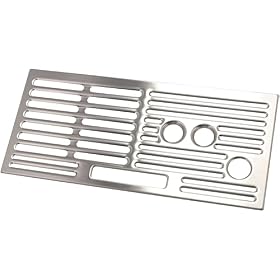
Cracks, splits, or warping in the tray
A missing or loose drain plug, if the tray has one
Coffee grounds or debris around the tray’s drain opening
A float or “empty me” indicator that is stuck
A tray that does not slide fully into position
Clean the tray and its drain openings, then reinstall it firmly. Make sure the tray is level and that no cup, mat, or accessory is preventing it from seating completely. If water appears only when the tray is nearly full, overflow is the most likely explanation.
Check the water tank and tank seal
A water tank can leak beneath the machine even when the drip tray looks dry. Remove the tank, dry its underside, and inspect the tank outlet valve and the rubber seal around it.
Set the tank on a dry towel away from the machine and fill it only as directed by the manufacturer. If it leaks while sitting by itself, the tank, outlet valve, or seal may need replacement. If it does not leak away from the machine but leaks after installation, check that it is seated straight and fully inserted.
Do not force the tank into place. A displaced or damaged tank seal can allow water to run along the machine base and appear to come from under the drip tray.
Product prices and availability are accurate as of the date/time indicated and are subject to change. Any price and availability information displayed on Amazon.com at the time of purchase will apply to the purchase of this product.
Look for a blocked or misplaced drain path
Some machines drain water into the tray through a small outlet or tube. Coffee grounds, scale, or cleaning residue can restrict this path and cause water to back up.
With the machine unplugged and cool:
Remove the drip tray and inspect the area above and behind it.
Wipe away loose grounds and residue with a soft, damp cloth.
Check whether a removable drain tube or fitting has come loose.
Reinstall the tray and run only the manufacturer-approved rinse or cleaning cycle if the machine’s instructions allow it.
Do not push wire, a sharp tool, or excessive water into an opening. A blocked internal drain may require a service procedure rather than more force.
Product prices and availability are accurate as of the date/time indicated and are subject to change. Any price and availability information displayed on Amazon.com at the time of purchase will apply to the purchase of this product.
Check for leaks around the group head and steam system
Water can travel down the front or sides of the machine and collect beneath the tray. Look for wetness around these areas:
A worn group-head gasket may leak around the portafilter during brewing. A loose steam-wand valve or damaged O-ring may drip after steaming. Clean visible residue, dry the machine, and observe where the first drop appears during a brief, supervised cycle.
Do not touch hot water, steam, or metal fittings while the machine is operating. If the leak occurs near a pressurized connection or continues after the machine is switched off, stop using it and follow the service instructions.
Product prices and availability are accurate as of the date/time indicated and are subject to change. Any price and availability information displayed on Amazon.com at the time of purchase will apply to the purchase of this product.
Consider normal drainage versus a fault
Some water in the drip tray after startup, brewing, rinsing, or steaming is normal. The amount varies by machine and cleaning cycle. A leak is more concerning when:
Water appears while the machine is idle
The tray fills unusually quickly
Water comes from the base or side of the case
The machine loses water from its tank without dispensing it
You hear a pump running when no drink or cleaning cycle is active
Water reaches the cord, plug, outlet, or control panel
Mark the water level in the tank and tray, then check them again after the machine has been idle for several hours. This can help distinguish a slow tank or internal leak from water produced during normal operation.
When the machine needs service or replacement parts
Replace a cracked drip tray, damaged water tank, worn gasket, or failed O-ring with a part specified for the exact machine. Confirm the model and part number from the manual or the manufacturer before ordering; similar-looking trays and seals may not fit or seal correctly.
Professional service is the safer choice when the leak comes from inside the case, occurs near wiring, continues after replacing an accessible seal, or involves a boiler, pump, valve, or pressurized hose. Do not open the machine unless the manufacturer specifically permits owner service and you understand the electrical and burn hazards.
A replacement machine may be reasonable when the unit has repeated internal leaks, obsolete parts are unavailable, repair costs approach the value of the machine, or corrosion has reached electrical components. Until the cause is clear, keep the machine unplugged and on a dry, stable surface.
Why is water collecting under my espresso machine’s drip tray?
The most common causes are an overfilled or poorly seated drip tray, a leaking water tank seal, a blocked drain path, or water running down from the group head or steam system. Empty and reseat the tray first, then inspect the tank and visible connections.
Is water in the espresso machine drip tray normal?
Usually, yes. Rinsing, brewing, and steaming can send water into the tray. It is not normal if the tray fills very quickly, water appears while the machine is idle, or water comes from the base or near electrical parts.
How can I tell whether the water tank is leaking?
Remove the tank, dry its underside, and place it on a dry towel away from the machine. If it leaks while sitting by itself, inspect the tank outlet valve and seal and replace the tank or specified seal if necessary.
Can I keep using an espresso machine that leaks under the tray?
Only if the water is clearly limited to normal tray drainage and no water reaches the base, cord, outlet, or controls. Unplug the machine and arrange service if the source is internal, the leak continues while idle, or electrical components may be wet.