Steam Wand Panarello Versus a Real Wand: Which Is Better?
A panarello wand makes milk frothing easier, while a traditional manual wand offers more control and better microfoam. Here is how to choose between them.
Steam wand panarello versus a real wand
A panarello wand is easier for beginners, but a traditional manual steam wand gives you more control and usually produces smoother, more café-style microfoam. Choose a panarello if convenience matters most; choose a manual wand if you want to practice latte art, control the texture, and develop your steaming technique.
The wand is only part of the result. Steam power, the wand tip, milk volume, pitcher shape, and cleaning habits also affect how well an espresso machine steams milk.
What is a panarello wand?
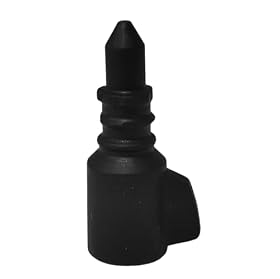
A panarello is a sleeve or attachment fitted over the steam outlet. Its design draws extra air into the milk as steam passes through the wand. That added air helps create foam with less precise positioning than a traditional wand requires.
This makes a panarello useful for:
Beginners who have not learned milk-steaming technique
Users who want a forgiving, relatively simple process
Espresso machines with modest steam performance
The tradeoff is control. Panarello wands often create larger, drier bubbles rather than the fine, glossy microfoam preferred for latte art. Some models include a removable sleeve, allowing the underlying steam outlet to be used more like a manual wand, but compatibility and performance vary by machine.
What is a traditional manual steam wand?
A traditional, or “real,” steam wand sends steam directly into the milk through a fixed tip. The user controls how much air enters the milk by positioning the tip near the surface during the initial stretching stage, then submerging it to create a smooth vortex.
A manual wand generally offers:
Finer control over air intake
Smoother microfoam when used correctly
Better results for latte art
More flexibility for cappuccinos, flat whites, and other milk drinks
It also has a steeper learning curve. If the tip is too close to the surface, the milk can become loud and bubbly. If it is too deep, the milk heats without incorporating enough air.
Espresso machine with a traditional manual steam wand
Product prices and availability are accurate as of the date/time indicated and are subject to change. Any price and availability information displayed on Amazon.com at the time of purchase will apply to the purchase of this product.
Panarello versus manual wand: key differences
Feature
Panarello wand
Traditional manual wand
Learning curve
Easier
Requires practice
Foam texture
Often thicker and more bubbly
Can produce smooth microfoam
Control
Limited to moderate
High
Latte art
Difficult or inconsistent
Much better suited
Speed of learning
Fast initial results
Slower at first
Cleaning
Sleeve must be cleaned thoroughly
Wand must be wiped and purged immediately
Best for
Simple foamy drinks
Users who want café-style texture
These are general tendencies, not guarantees. A well-designed panarello can outperform a weak manual wand for basic foam, while a powerful machine with a manual wand may still require practice before it produces good milk texture.
Product prices and availability are accurate as of the date/time indicated and are subject to change. Any price and availability information displayed on Amazon.com at the time of purchase will apply to the purchase of this product.
Which wand makes better milk foam?
A manual wand has the higher ceiling because you can control both aeration and circulation. Properly steamed milk should look glossy and feel smooth, with very small bubbles that are difficult to see individually.
A panarello can produce acceptable foam quickly, but the foam may be more voluminous and less integrated with the milk. That texture can work well for a traditional cappuccino, but it may be too stiff or bubbly for a flat white or detailed latte art.
The machine’s steam system also matters. Before judging a wand, consider:
Steam strength: A weak steam system may take longer and struggle to create a consistent vortex.
Steam recovery: Some machines need time between brewing and steaming.
Wand tip design: The number and size of holes change how steam enters the milk.
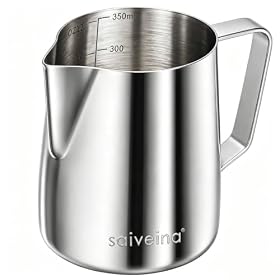
Pitcher size: A small pitcher is easier to control for one drink.
Milk quantity: Too little milk can heat unevenly; too much makes texture difficult to manage.
Manufacturers may use different names for similar attachments, so inspect the wand design rather than relying only on terms such as “professional” or “manual.”
Product prices and availability are accurate as of the date/time indicated and are subject to change. Any price and availability information displayed on Amazon.com at the time of purchase will apply to the purchase of this product.
Which one is easier to use?
The panarello is usually easier for a first-time user. Place the wand in the milk according to the manufacturer’s instructions, open the steam control, and allow the attachment to introduce air. You still need to monitor temperature and avoid overheating, but positioning is less demanding.
A manual wand requires two phases:
Stretching: Keep the tip near the surface briefly to add air.
Texturing: Lower the tip slightly and create a whirlpool to distribute the air through the milk.
For either type of wand, stop before the milk becomes excessively hot. Overheated milk can taste flat or cooked. If the machine does not provide a temperature indicator, many users rely on the pitcher becoming too hot to comfortably hold, but follow the machine and milk-steaming instructions supplied by the manufacturer.
Which one is better for latte art?
Choose a traditional manual wand if latte art is an important goal. Latte art needs fluid, glossy microfoam that pours in a controlled stream. The larger bubbles commonly produced by a panarello tend to separate from the liquid milk and make controlled pouring harder.
A manual wand does not guarantee latte art. You also need a suitable pitcher, the correct milk texture, an espresso with a stable crema layer, and practice. But it gives you the control needed to improve.
If you mainly make cappuccinos with a thick foam cap and do not plan to practice pouring patterns, a panarello may be sufficient.
Cleaning and maintenance differences
Both wand types need immediate cleaning after every use. Milk residue can harden inside the steam outlet and create a hygiene problem or restrict steam flow.
Cleaning a panarello
Turn off steam and release any remaining pressure according to the manual.
Wipe the outside immediately with a damp cloth.
Purge the wand briefly to clear milk from the outlet.
Remove the panarello sleeve if the manufacturer permits it.
Rinse the sleeve and check its air inlet for dried milk.
Reassemble it only when the parts are clean and correctly seated.
Cleaning a manual wand
Wipe the wand immediately after steaming.
Purge steam through the tip.
Check each hole for blockage.
If a hole is blocked, use only the cleaning method and tool specified by the manufacturer.
Soak removable parts only when the instructions allow it.
A panarello can be more involved to clean because milk may collect inside the sleeve. A manual wand is simpler in design, but blocked tip holes can quickly affect its performance.
Can you replace a panarello with a manual wand?
Sometimes, but compatibility must be checked carefully. The replacement needs to match the machine’s mounting method, diameter, length, steam outlet, and available clearance. Some machines have a proprietary wand assembly rather than a standard threaded connection.
A replacement wand may also change how much steam reaches the milk. The machine’s steam power may be adequate for the original attachment but disappointing with a different tip. Before buying, check the manufacturer’s parts information or contact the manufacturer with the exact machine model.
Do not force a replacement onto the steam valve or modify a pressurized part. Steam can cause serious burns, and an incorrectly fitted component can leak or fail under pressure.
Which should you choose?
Choose a panarello when:
You want quick, forgiving foam.
You mostly make cappuccinos or other foamy drinks.
You do not want to spend much time learning steaming technique.
The machine’s included panarello is easy to remove and clean.
Choose a manual wand when:
You want smooth microfoam and latte art.
You make flat whites or milk drinks with thinner, silkier texture.
You want more control over the amount of air in the milk.
If you are choosing between espresso machines
Compare more than the wand label. Look for clear information about the steam system, wand tip, warm-up and recovery behavior, and whether the wand can be cleaned and serviced easily. A manual wand on a machine with inadequate steam power may be less satisfying than a well-designed panarello on a modest machine.
For most beginners, a panarello is the lower-friction choice. For anyone treating milk texture as part of the espresso hobby, a manual wand is usually the better long-term choice.
FAQ
Is a panarello wand better for beginners?
Usually. A panarello introduces air into the milk more easily and can produce foam with less precise wand positioning. It offers less control over fine texture than a traditional manual wand.
Can a panarello make microfoam?
Some can produce reasonably fine foam, but panarellos commonly create more aerated, bubbly foam than a correctly used manual wand. Results depend on the attachment, the machine, the milk, and technique.
Is a manual steam wand difficult to learn?
It has a steeper learning curve, but the basic process is manageable: add air briefly with the tip near the surface, then create a whirlpool to smooth the texture. Expect to need practice.
Can I remove the panarello from my espresso machine?
Only if the manufacturer designed the attachment to be removed. Do not remove or modify a pressurized steam component unless the instructions specifically allow it.
Why does my steam wand make large bubbles?
The tip may be too close to the surface, the milk may be too cold or too shallow, or the wand sleeve or tip may be dirty. Clean and purge the wand, then follow the machine’s instructions for positioning and milk volume.