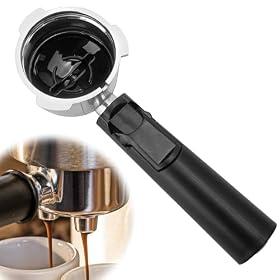
A leaking group gasket is usually an age-related seal problem, but coffee residue, an incorrectly seated gasket, or a damaged portafilter can cause similar symptoms. Here is how to check it safely and replace the right part.
A group gasket that leaks around the portafilter is usually worn, hardened, compressed, or cracked from age and heat. Remove the portafilter, let the machine cool, and inspect the gasket and group-head area before ordering a replacement. If the gasket is brittle, visibly damaged, or no longer seals when the portafilter is locked in, replacement is normally the reasonable fix.
How to tell the group gasket is leaking
Common signs include:
Water dripping or spraying around the portafilter during brewing
A wet ring around the outside of the portafilter
The portafilter needing to be turned unusually far to lock in
The portafilter becoming difficult to lock in because the gasket has swollen or shifted
A leak that continues even after cleaning the basket and portafilter
A gasket that feels hard, flattened, torn, or crumbly
A small amount of water left on the shower screen or in the group area after brewing is not automatically a gasket failure. The more useful clue is water escaping around the portafilter while the pump is running.
Check the gasket before replacing it
1. Turn the machine off and let it cool
Switch off the espresso machine, unplug it if practical, and wait until the group head, portafilter, and nearby surfaces are cool. Do not remove a pressurized portafilter. If the machine was just used, run the brew function only as directed by the manufacturer to release pressure, then switch it off.
2. Clean the sealing surfaces
Coffee oils and compacted grounds can prevent a good seal. Remove the portafilter and basket, then wipe the gasket and the underside of the group head with a damp cloth. A soft group-head brush can help remove residue from the gasket groove and shower-screen area.
Avoid using a sharp metal tool against the group head. It can scratch the sealing surface or damage the gasket seat.
3. Inspect the gasket
Look for cracks, splits, missing sections, flattening, or a gasket that has pulled out of its groove. Older rubber or silicone seals may feel stiff rather than flexible. A gasket that remains distorted after the machine is cool is a likely replacement candidate.
Also inspect the portafilter rim. Dents, heavy scratches, or a bent edge can cause a leak even when the gasket is new.
4. Check the basket and dose
An overfilled basket, an uneven coffee bed, or coffee trapped on the basket rim can stop the portafilter from sealing. Try a clean basket with coffee kept below the rim, following the basket and machine instructions. Do not force the portafilter into position.
If the leak disappears with a correctly filled, clean basket, the problem may have been setup rather than gasket age.
Product prices and availability are accurate as of the date/time indicated and are subject to change. Any price and availability information displayed on Amazon.com at the time of purchase will apply to the purchase of this product.
Why group gaskets leak as they age
Group gaskets live in a hot, wet environment and are repeatedly compressed by the portafilter. Over time, they can:
Harden and lose elasticity
Flatten where the portafilter presses against them
Shrink, swell, or deform
Absorb coffee oils and residue
Crack during removal or cleaning
Frequent use, high heat, aggressive cleaning, and leaving the portafilter locked in tightly between uses can contribute to faster wear. The exact service life varies by machine, gasket material, usage, and maintenance routine.
Product prices and availability are accurate as of the date/time indicated and are subject to change. Any price and availability information displayed on Amazon.com at the time of purchase will apply to the purchase of this product.
Choosing a replacement gasket
Buy a gasket specifically listed for your espresso machine and group-head configuration. Gaskets that look similar may differ in outside diameter, inside diameter, thickness, profile, or installation orientation.
Before ordering, check:
The exact machine model and version
The manufacturer’s replacement-part information
The gasket dimensions, if the manufacturer provides them
Whether the machine uses a flat, stepped, or other profile
Whether the replacement is intended for the original group head and portafilter
Do not rely only on the number of ears or tabs on the portafilter. Two machines can use portafilters that appear similar but require different gasket sizes.
Silicone and rubber gaskets can have different heat resistance, flexibility, and expected service characteristics. Use the material and part type recommended for the machine rather than choosing solely by appearance.
Product prices and availability are accurate as of the date/time indicated and are subject to change. Any price and availability information displayed on Amazon.com at the time of purchase will apply to the purchase of this product.
Replacing the group gasket
The general process is straightforward, but the exact steps vary by machine:
Turn off, unplug, and cool the machine.
Remove the portafilter and basket.
Remove the shower screen only if the manufacturer’s instructions require it or provide access to the gasket.
Carefully lift out the old gasket using a suitable non-marring tool.
Clean coffee residue from the gasket groove and surrounding surfaces.
Confirm the new gasket’s orientation before installation.
Press the gasket evenly into place without twisting or cutting it.
Reinstall the shower screen if removed.
Run water through the group head and check for an even seal with a clean, empty portafilter.
A new gasket may feel tight at first. Lock the portafilter in gently and stop if unusual force is required. Forcing it can damage the gasket, portafilter, or group-head components.
Follow the machine manufacturer’s instructions if they differ from these general steps. If the gasket is difficult to remove, the group head is damaged, or the machine is still leaking after replacement, a qualified espresso-machine technician is the safer next step.
If a new gasket does not stop the leak
Work through these possibilities:
Coffee or cleaner residue: Clean the gasket groove, shower screen, basket, and portafilter rim.
Wrong gasket: Confirm the model, dimensions, profile, and orientation.
Incorrect installation: Check that the gasket is fully and evenly seated.
Overfilled basket: Reduce the dose or follow the basket’s intended fill level.
Damaged portafilter: Inspect the rim for bends, dents, or deep scratches.
Damaged group head: Look for a worn sealing surface, damaged threads, or a loose component.
Internal leak: If water appears from above the group head, around the machine body, or near electrical parts, stop using the machine and arrange qualified service.
Do not continue operating the machine if water is reaching switches, wiring, or other electrical components. Unusual pump behavior, steam, burning smells, or water leaking from inside the housing also require service rather than repeated gasket replacement.
When replacing the machine may be reasonable
A group gasket alone is usually a repairable maintenance issue. Replacing the machine becomes more reasonable when the leak is accompanied by extensive corrosion, a damaged group head, unavailable parts, repeated internal leaks, or repair costs that are disproportionate to the machine’s condition. For a machine that otherwise works normally, the correct gasket and a careful installation are generally the first steps.
FAQ
How often should an espresso machine group gasket be replaced?
There is no universal interval. Replace it when it becomes hard, cracked, flattened, distorted, or unable to seal. Usage, heat, gasket material, and cleaning habits affect how long it lasts.
Can I fix a leaking group gasket without replacing it?
If coffee residue or an overfilled basket caused the leak, cleaning and correcting the setup may solve it. A gasket that is hardened, cracked, or permanently flattened normally needs replacement.
Why does my new group gasket still leak?
The gasket may be the wrong size or profile, installed in the wrong orientation, or not seated evenly. Also check the portafilter rim, basket fill level, shower screen, and group-head sealing surface.
Is it safe to use an espresso machine with a group gasket leak?
A minor external leak should be addressed promptly, but stop using the machine if water reaches electrical components, leaks from inside the housing, or is accompanied by burning smells or other unusual behavior.