Backflushing is a cleaning process for espresso machines equipped to send water backward through the group head and discharge it through the machine’s drain path. If your machine allows backflushing, you can usually do it with a blind basket, first with water and then—with manufacturer approval—with espresso machine cleaner. If the manual does not mention backflushing, do not assume the machine is compatible.
Maintenance · Mon Sep 07
How to Backflush a Machine That Allows It
Backflushing cleans the brew circuit and three-way valve on compatible espresso machines. Follow these steps, use the right basket, and check the manual before adding cleaner.
Check whether your machine allows backflushing
Read the owner’s manual before starting. Look for instructions mentioning backflushing, cleaning the group head, blind basket, backflush detergent, or a cleaning cycle.
A compatible machine commonly has:
- A three-way solenoid valve or another designed pressure-release path
- A portafilter and basket system that accepts a blind basket
- A drain tray that receives water released during the cleaning cycle
- Specific manufacturer instructions for water backflushing or detergent cleaning
Many traditional semi-automatic machines support backflushing, but some machines do not. Certain lever machines, machines without a suitable pressure-release system, and some pod, capsule, or entry-level designs may be damaged or poorly cleaned by this procedure. A cleaning tablet or blind basket does not make an incompatible machine safe to backflush.
Espresso machine cleaning tablets
 Cino Cleano Espresso Machine Cleaning Tablets (8 Count (Pack of 1))Cino Cleano
$7.99 as of
View on Amazon Urnex Cafiza Espresso Machine Cleaning Tablets - 100 Count - Professional Espresso Machine Cleaner Barista…Urnex
$17.99 as of
View on Amazon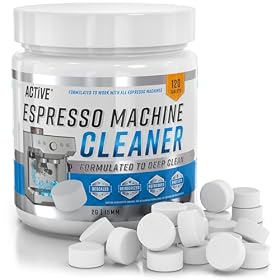 ACTIVE Espresso Machine Cleaning Tablets Descaling - 120 Tabs | Compatible with Breville Barista Express,…ACTIVE
$22.95 as of
View on Amazon
Product prices and availability are accurate as of the date/time indicated and are subject to change. Any price and availability information displayed on Amazon.com at the time of purchase will apply to the purchase of this product.
What you need
- The machine’s portafilter
- A blind basket, also called a backflush or blank basket
- Clean water
- Espresso machine cleaner, only if the manual approves it
- A soft group-head brush or clean cloth
- A container or sink for the discharged water
A blind basket has no normal outlet hole, so it allows pressure to build and water to return through the machine’s intended discharge route. Do not substitute a regular coffee basket filled with grounds.
Blind basket for backflushing
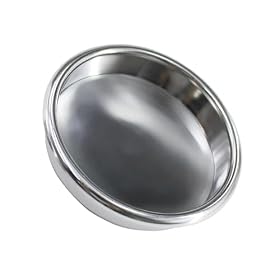 58mm Backflush Inser, Stainless Steel Back Flush Blind Filter Basket 1pcsHNF
$7.98 as of
View on Amazon MBAIYO 2-Pack 58mm Backflush Inser Basket, 58mm Espresso Machine Portafilter Accessories, Stainless Steel Portafilter Pasket…MBAIYO
$6.49 as of
View on Amazon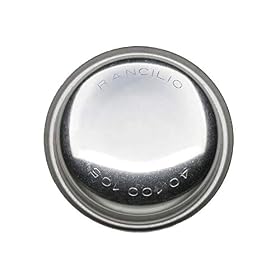 Rancilio 58mm Backflush Disk; Blind Portafilter BasketRancilio
$7.84 as of
View on Amazon
Product prices and availability are accurate as of the date/time indicated and are subject to change. Any price and availability information displayed on Amazon.com at the time of purchase will apply to the purchase of this product.
How to backflush with water
Water backflushing removes loose coffee residue and is generally the first step in the process.
1. Let the machine cool enough to handle safely
Turn off the brew function and allow the portafilter and group head to cool enough for safe handling. The machine may still contain hot water and pressurized components, so keep your hands clear of the group outlet and follow the manual’s warnings.
2. Remove the used coffee grounds
Take out the portafilter and knock out the puck. Rinse the portafilter and basket. Brush loose grounds from the basket, gasket area, and underside of the group head without forcing debris into the machine.
3. Insert the blind basket
Place the blind basket in the portafilter and lock it into the group head as you would for brewing. Make sure it is seated correctly. An incorrectly fitted portafilter can leak hot water around the edges.
4. Run short brew cycles
Start the brew switch or cleaning program for the time specified by the manufacturer, then stop it. If the manual gives no exact timing but confirms that water backflushing is allowed, use short cycles rather than leaving the pump running continuously. Pause between cycles so the machine can release pressure through its normal drain path.
You may hear water moving or see it enter the drip tray. That is expected on machines designed for this process. Do not try to loosen the portafilter while pressure is trapped inside it.
5. Repeat with fresh water
Release the portafilter only after the machine has completed its pressure-release step. Empty the blind basket if needed, rinse it, and repeat several short cycles with clean water. Finish with a few normal brew-water rinses through the group head and portafilter.
6. Clean the removable parts
Rinse the portafilter and basket thoroughly. Wipe the group-head gasket and screen, and empty and rinse the drip tray. Leave parts clean and dry according to the manufacturer’s storage instructions.
Group-head cleaning brush
 Number-One Coffee Machine Brush Cleaner Nylon Espresso Machine Brush Grinder Brush Coffee Cleaning Tool with…Number-one
$9.99 as of
View on Amazon watchget Espresso Machine Cleaning Brush Grouphead Cleaning Brush V2 58mmwatchget
$15.99 as of
View on Amazon Espresso Machine Grouphead Cleaning Brush - CAFEMASY 2 Pack Coffee Brush Barista Tool Accessories for…CAFEMASY
$22.99 as of
View on Amazon
Product prices and availability are accurate as of the date/time indicated and are subject to change. Any price and availability information displayed on Amazon.com at the time of purchase will apply to the purchase of this product.
How to backflush with espresso machine cleaner
Detergent backflushing is more thorough, but it should be done only when the espresso machine’s instructions specifically approve it. Some machines allow water backflushing but prohibit detergent because cleaner can enter areas that are difficult to rinse or may affect internal components.
If detergent backflushing is approved:
- Put the recommended amount of espresso machine cleaner in the blind basket. Follow the cleaner and machine instructions rather than estimating a larger dose.
- Lock the portafilter into the group head.
- Run the machine’s cleaning cycle, or use the short on-and-off cycles specified in the manual.
- Stop and allow the machine to release pressure normally.
- Remove and rinse the portafilter and blind basket.
- Run multiple fresh-water cycles until there is no cleaner residue or unusual odor.
- Run clean water through the group head and brew a small amount of water through the portafilter before making coffee.
Never use dish soap, household bleach, vinegar, or an unapproved cleaning chemical in the backflush circuit. These products can leave residue, attack materials, or fail to remove coffee oils effectively.
How often should you backflush?
Use the machine’s maintenance schedule when one is provided. In general, a brief water backflush can be part of regular end-of-session cleaning on a compatible machine, while detergent cleaning is done less often and according to the manufacturer’s instructions and usage level.
A machine used frequently or for oily, dark-roasted coffee may need more attention than one used occasionally with lighter-roasted coffee. Backflushing does not replace cleaning the basket, portafilter, group screen, drip tray, or steam wand.
Troubleshooting after backflushing
Water does not enter the drip tray
Stop the process and check the manual. The machine may not support backflushing, or it may require a specific automatic cleaning program. Do not keep running the pump against a blind basket if the machine has no documented pressure-release path.
Water leaks around the portafilter
Check that the blind basket and portafilter are seated correctly. Clean coffee residue from the group-head gasket and rim. A worn, hardened, or damaged gasket may need replacement. Do not overtighten the portafilter; excessive force can damage the handle or group components.
The pump becomes unusually loud or strained
Stop the cycle and release pressure according to the manual. Confirm that the machine is compatible, the correct basket is installed, and the cleaning program is being used correctly. Persistent abnormal noise, failure to release pressure, or repeated pump trips requires service by the manufacturer or a qualified espresso-machine technician.
Cleaner remains in the machine
Remove the blind basket, rinse all removable parts, and run additional fresh-water cycles. If the odor or taste continues, stop using the machine for coffee and consult the manufacturer’s cleaning instructions or service department.
Coffee still tastes bitter or dirty
Backflushing cleans the brew valve and group circuit, but it cannot fix stale beans, a dirty grinder, a contaminated portafilter, scale buildup, or a blocked group screen. Clean those areas separately and descale only when the machine’s instructions call for it. Descaling and backflushing address different types of residue.
When to stop and get service
Stop using the machine and seek professional help if it will not release pressure, leaks internally, trips a breaker, smells of burning, or continues to make abnormal pump noises. Unplug the machine only when it is safe to do so, and do not open the casing unless you are qualified and the manufacturer permits it.
If your machine’s manual does not support backflushing, the right alternative is the manufacturer’s specified cleaning procedure—not forcing a blind basket into the group head. If the machine has a failed valve, damaged gasket, or persistent blockage, replacing the approved part may be reasonable, but internal electrical or pressure-related repairs should be handled by a qualified technician.
FAQ
Can every espresso machine be backflushed?
No. Backflushing is intended for machines designed with a suitable pressure-release system, commonly a three-way solenoid valve. Check the owner’s manual before using a blind basket or cleaning tablet.
Can I backflush with a regular espresso basket?
No. Backflushing normally requires a blind basket with no outlet hole. A standard basket filled with coffee grounds does not create the same cleaning action.
Do I need detergent every time I backflush?
No. Water backflushing and detergent backflushing are different steps. Use detergent only at the frequency and dosage approved by the espresso machine manufacturer.
Why is water going into the drip tray during backflushing?
On a compatible machine, the three-way valve releases water and pressure into the drain path, which commonly leads to the drip tray. If water has nowhere to discharge or pressure does not release, stop and check the manual.