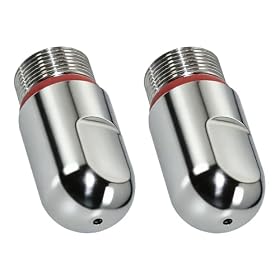
Purge the steam wand before and after steaming, then wipe it immediately to prevent milk from drying inside or on the tip. This guide explains the correct cleaning routine and what to do when the wand is clogged.
What do you need help with?
Open an answer, or tell us what we should cover next.
Answered in this guide
Clean and purge an espresso machine steam wand
Purge the wand briefly before steaming, steam the milk, wipe the wand immediately, and purge it again afterward. This routine clears condensation and milk residue before it dries inside the wand or around the steam tip.
Check simple physical causes when steam flow is weak or uneven, milk comes from the wand, steam escapes around the tip or joint, or the wand remains difficult to clean.
Know when to replace a steam-wand part or seek service
Consider a replacement tip, gasket, or wand component when parts are damaged, threads no longer hold securely, or cleaning cannot restore clear and even steam flow.
Request a topic and help us choose what to build next.
Backflush an espresso machine
Descale an espresso machine and manage hard water
Steam milk for smooth microfoam
Requests help us prioritize the next guide. No email required.
One anonymous request per topic.
The short answer
Purge an espresso machine steam wand briefly before steaming, steam your milk, then purge it again immediately afterward while wiping the outside with a damp cloth. This flushes milk residue from the wand tip and helps prevent dried milk from blocking the steam holes. For stubborn buildup, turn the machine off, let the wand cool, and clean the tip with a suitable steam-wand brush or the tool specified by the manufacturer.
Milk residue can become difficult to remove and may affect hygiene, steam flow, and milk texture. Never touch or disassemble a hot steam wand.
Product prices and availability are accurate as of the date/time indicated and are subject to change. Any price and availability information displayed on Amazon.com at the time of purchase will apply to the purchase of this product.
What you need
A clean, damp microfiber cloth or bar towel
A small steam-wand cleaning brush, if needed
A suitable container for catching purge water and steam
The machine manual, especially if the steam tip can be removed
Avoid abrasive pads and sharp objects that can scratch the wand or enlarge the steam holes. Do not use a chemical cleaner inside the wand unless the espresso machine manufacturer specifically allows it.
Product prices and availability are accurate as of the date/time indicated and are subject to change. Any price and availability information displayed on Amazon.com at the time of purchase will apply to the purchase of this product.
How to purge a steam wand
1. Purge before steaming
Before placing the wand in milk, point it safely toward the drip tray or an empty container. Open the steam control briefly until the initial condensation and water clear.
This matters because water left in the wand can dilute the milk and make the first part of steaming less consistent. Keep your hands and face away from the outlet; steam can cause serious burns.
2. Steam the milk
Place the wand tip just below the milk surface and use the machine as directed. Keep the wand positioned so milk does not rise over the steam holes or enter the wand opening.
When finished, close the steam control before removing the pitcher if your machine’s instructions call for that sequence. Follow the manufacturer’s procedure if it differs.
3. Wipe the wand immediately
Remove the pitcher and wipe the entire outside of the wand with a damp cloth while the residue is still soft. Pay particular attention to the area around the steam tip and any joint or sleeve where milk can collect.
Do not wait until the milk has dried. A dry film may require soaking or more involved cleaning and can be harder to remove without scratching the metal.
4. Purge again
Point the wand toward the drip tray or a suitable container and open the steam control for a short purge. This pushes residual milk out of the steam passages and tip holes.
Close the steam control, then wipe the wand once more. Leave it clean and dry on the outside.
How to remove dried milk from the steam tip
If milk has dried on the outside, dampen the cloth with warm water and hold it around the cool wand for a short time to soften the residue. Wipe gently, then inspect the tip.
If the tip is designed to be removed, remove it only after the wand has cooled and only as described in the manual. Soak the removable part in warm water or an approved milk-cleaning solution if the manufacturer permits it. Use a steam-tip brush to clear the holes without forcing a sharp object through them.
Rinse the part thoroughly, reinstall it correctly, and run a brief purge before steaming milk again. Do not operate the machine with a loose or incorrectly installed steam tip.
How often should you clean a steam wand?
Clean the wand’s exterior after every use and purge it before and after every steaming session. Inspect the steam holes regularly, particularly if you steam milk often or notice weaker steam flow.
A deeper cleaning is appropriate when:
Milk has dried around the tip or wand joint
Steam flow becomes uneven
One or more steam holes appear blocked
The wand produces more water than usual after purging
The machine has been stored without a cleaning routine
The exact interval for soaking a removable tip or using a milk-system cleaner depends on the machine and product instructions.
Troubleshooting steam-wand problems
Steam flow is weak or uneven
Start with the simplest physical causes:
Check the steam tip. Make sure no hole is blocked by dried milk.
Purge the wand. Condensation or residue may be restricting the passage.
Confirm the steam control is fully open. Use the machine’s normal operating procedure.
Check the water level and steam-ready status. Some machines cannot produce full steam until they reach temperature.
Inspect for a loose tip or damaged seal. Stop using the wand if steam escapes from an unexpected joint.
If cleaning the tip does not restore normal flow, the internal valve, seal, or steam path may need service. Do not probe deeply into the wand or disassemble pressurized or electrical components. Consult the manufacturer or a qualified appliance technician.
Milk is coming out of the wand
Purge before steaming to remove condensation, then purge immediately after steaming. If milk continues to appear after a proper purge, the tip may be blocked or milk may have entered farther into the wand. Cool the machine, clean the removable parts as directed, and contact the manufacturer if the problem remains.
Steam escapes around the tip or joint
Turn off steam, allow the wand to cool, and check whether the tip is correctly seated. A worn gasket, damaged thread, or cracked component may be allowing leaks. Replace the approved seal or tip if the manual identifies it as a serviceable part. If steam escapes from the valve body or another fixed connection, stop using the machine until it has been inspected.
The wand is difficult to clean
Do not scrape aggressively. Soften the residue with warm water, use a non-abrasive cloth, and clean a removable tip separately if permitted. Repeated buildup usually means the wand is not being wiped and purged immediately after use.
Common mistakes to avoid
Skipping the post-steaming purge
Leaving milk on the wand until it dries
Purging toward your hand, countertop, or another person
Touching the wand before it cools
Blocking the tip while steaming
Using a pin or needle that can damage the steam holes
Soaking the entire wand or machine without checking the manual
A replacement steam tip, gasket, or wand component may be reasonable when the part is visibly damaged, the threads no longer hold securely, or cleaning cannot restore clear, even steam flow. Match replacement parts to the exact espresso machine model and follow the manufacturer’s instructions.
If the wand leaks from a fixed connection, the machine repeatedly loses steam pressure, or electrical controls behave unusually, stop troubleshooting internally. Unplug the machine when appropriate and use manufacturer support or a qualified appliance professional. Steam, hot water, pressure, and mains electricity can all present serious hazards.
FAQ
Should I purge the steam wand before or after steaming?
Do both. Purge briefly before steaming to clear condensation, then purge again immediately afterward to flush milk residue from the tip and steam passage.
How long should I purge an espresso steam wand?
Use a brief purge according to the machine’s instructions—long enough to clear condensation or milk residue without unnecessarily emptying the boiler or water reservoir.
Can I soak an espresso machine steam wand?
Do not soak the entire wand unless the manufacturer specifically says it is safe. A removable steam tip may be soaked separately in warm water or an approved cleaner if the manual permits it.
Why is my steam wand clogged?
The most common cause is milk that dried on or inside the steam tip because the wand was not wiped and purged immediately after use. A blocked tip hole, loose component, or internal fault can also reduce steam flow.
Can I use a needle to unclog a steam wand?
It is safer to use the cleaning tool specified by the manufacturer. A sharp needle can damage or enlarge the steam holes, changing steam performance.