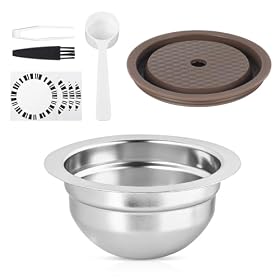
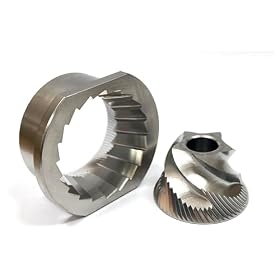
The best compact espresso machine is small enough for your counter but still offers the controls and workflow you need. Compare machine types, dimensions, water capacity, steaming systems, and ease of use before buying.
A compact espresso machine can make excellent coffee in a small kitchen, but the smallest model is not automatically the best choice. Look for a machine that fits your available depth and height, has a usable water tank, provides enough control over brewing, and matches how often you make milk drinks. For most home users, a compact semi-automatic machine is the best balance of size, control, and drink quality—but a pod, super-automatic, or manual-lever machine may be more convenient for specific routines.
What to look for in a compact espresso machine
Measure the space, not just the machine
Check the machine's published width, depth, and height, then measure your counter. Leave room to:
Depth is easy to overlook. A machine may fit between cabinets from the front but extend far enough to interfere with a backsplash, cabinet door, or sink. Also check overhead clearance if the water reservoir fills from the top.
Choose the right machine type
Compact semi-automatic machines
These use a portafilter and require you to grind, dose, tamp, and start the shot. They usually offer the most control in a relatively small footprint. They are a good fit if you enjoy adjusting coffee and do not mind a short preparation routine.
The machine is only part of this setup. A capable espresso grinder is usually necessary because grind size has a major effect on extraction.
Capsule or pod machines
Pod machines are often the simplest and smallest option. They produce consistent, convenient drinks with little cleanup, but you are limited to compatible capsules and typically have less control over dose, grind, and extraction.
Choose this type when speed and simplicity matter more than dialing in freshly ground coffee.
Compact super-automatic machines
These grind beans and prepare drinks with push-button controls. They can reduce preparation time, but the internal grinder and milk system add complexity. A super-automatic model may be wider or taller than a small semi-automatic machine, even when its brewing area is compact.
Check how the machine handles cleaning, emptying grounds, refilling water, and maintaining the milk system before choosing one.
Manual espresso makers
Manual machines can be very compact because they may not include a pump, boiler, or steam system. They require more physical effort and careful technique, and many do not make traditional steamed milk without separate equipment.
They make sense for people who prioritize portability and hands-on preparation.
Important specifications and features
Portafilter and basket size
The portafilter size affects accessory compatibility, basket availability, and how easy it is to find replacement parts. A common size can provide more options for baskets and tampers, but the machine's included equipment and manufacturer guidance still matter.
A pressurized basket can be more forgiving of an entry-level grinder. A non-pressurized basket generally gives you more control but requires a suitable espresso grinder and more consistent technique.
Heating system
Compact machines commonly use a thermoblock, thermocoil, or single boiler. These systems can all work well, but they differ in how quickly the machine heats, how stable the brew temperature is, and whether brewing and steaming can happen at the same time.
For occasional espresso, fast heat-up may matter most. For several milk drinks in a row, steaming performance and recovery time become more important. A very small machine may need a pause between brewing and steaming, which is normal rather than a defect.
Milk steaming
If you regularly make cappuccinos or lattes, examine the steam wand rather than treating it as a secondary feature. A traditional wand offers more control but requires practice. An assisted or automatic milk system may be easier for beginners but can add cleaning work and take up extra space.
Look for enough clearance to fit your milk pitcher under the wand. A compact machine with a very low drip tray or awkward wand movement can be frustrating even if its coffee controls are good.
Water tank and drip tray capacity
Small reservoirs and drip trays help reduce the footprint, but they require more frequent emptying and refilling. Consider how many drinks you make each day and whether the tank can be removed easily when the machine sits under cabinets.
A tank placed at the rear may be inconvenient on a narrow counter. A front- or top-access reservoir can be more practical, depending on your layout.
Controls and programmability
Basic buttons may be easier to understand and repair than a screen-heavy interface. Useful controls can include programmable shot volume, manual brewing, steam control, and a hot-water outlet.
Do not assume that more buttons mean better espresso. A machine with straightforward controls may be preferable if it lets you repeat a reliable workflow.
Cleaning and maintenance
A compact machine still needs regular care. Check whether the following parts are removable and easy to rinse:
Brew basket and portafilter
Drip tray
Water reservoir
Steam wand tip
Used-coffee container, if included
You will also need to follow the manufacturer’s instructions for backflushing, descaling, and replacing water filters where applicable. A machine that is difficult to clean is less likely to remain in good condition.
Product prices and availability are accurate as of the date/time indicated and are subject to change. Any price and availability information displayed on Amazon.com at the time of purchase will apply to the purchase of this product.
Which compact espresso machine is best for you?
Best for fresh-ground espresso
Choose a compact semi-automatic machine with a conventional portafilter, a usable steam wand, and controls that allow manual shot management. Budget for an espresso-capable grinder and allow room for the grinder beside the machine.
Best for fast, low-mess drinks
A capsule machine is usually the more practical choice. It minimizes grinding, dosing, and cleanup, though ongoing capsule use can cost more and creates more packaging waste.
Best for milk drinks
Prioritize steam-wand usability, heat-up and recovery behavior, pitcher clearance, and easy milk-system cleaning. A slightly larger machine may be a better choice than the smallest available model if you make several lattes at a time.
Best for occasional use
Look for simple controls, quick setup, and a removable water tank. A machine with fewer accessories and a straightforward cleaning routine may be more useful than a feature-rich model that takes longer to prepare.
Best for the smallest counter
Compare the complete working footprint, not only the listed width. Include the grinder, cup clearance, water-tank access, and space needed to remove the portafilter. A pod machine may have the smallest overall workflow, while a semi-automatic machine may offer better coffee control but require more counter space.
Product prices and availability are accurate as of the date/time indicated and are subject to change. Any price and availability information displayed on Amazon.com at the time of purchase will apply to the purchase of this product.
Common mistakes to avoid
Buying by width alone and ignoring depth or height
Assuming a built-in grinder is included when it is not
Choosing a tiny water tank for a busy household
Expecting café-style milk texture without practicing steaming
Using a non-pressurized basket with a grinder that cannot make a consistent espresso grind
Ignoring the cost and availability of filters, gaskets, baskets, or capsules
Skipping cleaning because the machine is marketed as low maintenance
Product prices and availability are accurate as of the date/time indicated and are subject to change. Any price and availability information displayed on Amazon.com at the time of purchase will apply to the purchase of this product.
A simple buying checklist
Before choosing, answer these questions:
How much counter width, depth, and overhead clearance are available?
Will you use fresh coffee, capsules, or both?
Do you need a steam wand for milk drinks?
How many drinks will you make in one session?
Is a grinder included, or do you need space and budget for one?
Can you easily remove the water tank and drip tray in your kitchen?
Are replacement baskets, gaskets, filters, and cleaning supplies easy to find?
Are you willing to learn basic espresso preparation?
The best compact espresso machine is the one that fits your kitchen and your daily routine without making essential steps inconvenient. If you want control and fresh-ground espresso, prioritize the brewing system, portafilter, and grinder setup. If convenience matters most, choose a machine with the fewest preparation and cleaning steps.
Product prices and availability are accurate as of the date/time indicated and are subject to change. Any price and availability information displayed on Amazon.com at the time of purchase will apply to the purchase of this product.
FAQ
What is the best type of compact espresso machine for most homes?
A compact semi-automatic machine is usually the best fit for people who want fresh-ground espresso and some control over brewing. A pod machine is generally better when speed and minimal cleanup are more important.
Can a compact espresso machine make good espresso?
Yes. A small footprint does not automatically prevent good espresso. Coffee freshness, grinder consistency, dose, tamping, water quality, and machine technique often matter more than overall machine size.
Do I need a grinder for a compact espresso machine?
You need a grinder if the machine uses whole coffee beans and does not include one. For semi-automatic espresso, use a grinder designed to produce a consistent espresso-fine grind; a basic blade grinder is not a good substitute.
Are compact espresso machines difficult to maintain?
They require the same basic maintenance as larger machines: rinsing the portafilter and brew area, purging and wiping the steam wand, emptying the drip tray, and following the manufacturer’s descaling and cleaning schedule. Smaller tanks and trays may need attention more often.
How much counter space does a compact espresso machine need?
The required space depends on the machine, but measure width, depth, height, water-tank access, portafilter clearance, and room for a grinder. The listed machine dimensions alone do not show the complete working footprint.