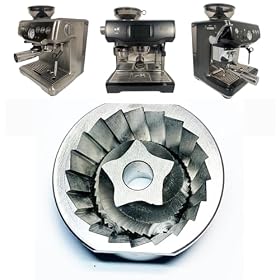
For two people who mainly drink lattes or cappuccinos, the best espresso machine is one that can recover quickly, steam milk consistently, and handle back-to-back drinks without making the second person wait. Here is how to choose the right setup without overbuying.
What do you need help with?
Open an answer, or tell us what we should cover next.
Answered in this guide
Choose an espresso machine for two people who make milk drinks
Choose a machine that can brew and steam efficiently for back-to-back drinks, recover steam quickly, and provide enough capacity for water, milk preparation, rinsing, and cleaning without making the second person wait.
Choose a thermoblock for convenience and a smaller footprint, a heat exchanger for frequent back-to-back drinks, a dual boiler for maximum control, or a superautomatic for the simplest shared routine.
Check the water-tank size, steam-wand position, drip-tray capacity, basket size, and grinder setup so two people can make drinks without constant refilling, awkward handling, or extra equipment surprises.
Choose a manual machine if you want control over espresso and milk texture and accept more practice, or choose more automation when convenience matters more than hands-on preparation.
Request a topic and help us choose what to build next.
Compare specific espresso machine models
Learn how to steam milk for lattes and cappuccinos
Follow a cleaning routine for a shared milk-drink machine
Requests help us prioritize the next guide. No email required.
One anonymous request per topic.
If two people in your household regularly drink lattes, cappuccinos, flat whites, or other milk drinks, prioritize milk-steaming performance and back-to-back workflow over an impressive list of espresso features. A machine with a strong steam system, enough water capacity, and a layout that makes switching between brewing and steaming easy will usually be more satisfying than a basic machine with excellent single-shot credentials but slow recovery.
For most households, the best fit is either a heat-exchanger machine, a dual-boiler machine, or a capable thermoblock machine designed for simultaneous or rapid brew-and-steam use. The right choice depends on how often you make drinks together, how much control you want, and how much counter space and maintenance you are willing to accept.
What matters most for two milk-drink drinkers
1. The ability to make drinks back to back
When two people want drinks at the same time, the machine should not require a long wait between pulling espresso and steaming milk. Look for specifications or manufacturer instructions that clearly describe:
Brewing and steaming at the same time
Fast heat-up or steam recovery
A dedicated steam boiler or independent heating system
Automatic milk preparation, if convenience matters more than manual control
A single-thermoblock machine may still work well if you usually prepare one drink at a time. However, a traditional single-boiler machine often requires switching from brewing to steaming and waiting for the temperature to change. That workflow can become frustrating when making two milk drinks.
2. Steam power and control
Milk drinks depend heavily on the steam system. A machine should produce enough steam to heat and texture milk without forcing you to wait through a weak, stop-and-start steaming process.
A more powerful steam system is useful when:
You make two large milk drinks in succession
You prefer microfoam for latte art
You use a larger milk pitcher
You want to steam milk while another shot is being prepared
Steam power is not the only consideration. A machine with strong steam but poor control can still make frothing difficult. A manually operated steam wand generally offers more control, while an automatic frother is simpler and more repeatable but may provide less flexibility in texture and temperature.
3. Boiler or heating-system design
The heating system has a direct effect on wait time and convenience.
Single boiler
A single-boiler machine is usually the least suitable option for two people who make milk drinks frequently. It can be a reasonable choice when budget and compact size are the priorities, but switching between brewing and steaming adds time.
Thermoblock or thermocoil
These systems can heat quickly and allow manufacturers to build compact machines. Some are designed to brew and steam at the same time, while others still require a short transition. Check the specific machine’s operating instructions rather than assuming every thermoblock works the same way.
Heat exchanger
A heat-exchanger machine uses separate paths for brewing water and steam. It can be a good fit for households making several milk drinks in a session because it supports a more continuous workflow. These machines can require more attention to temperature management and may have a larger footprint.
Dual boiler
A dual-boiler machine separates brewing and steaming into dedicated boilers. This is generally the strongest option for simultaneous preparation and consistent steam availability, but it typically costs more, takes up more counter space, and may use more energy.
For most couples, a dual boiler is worth considering when both people often want drinks at the same time or when reliable milk texture is more important than minimizing cost and size.
Recommended machine types by household routine
Choose a capable thermoblock machine if you want convenience and a smaller footprint
This is often the practical choice for a kitchen with limited counter space. It can work well when:
You make one or two drinks at a time
You do not need to steam and brew simultaneously
You prefer faster startup
You want a simpler machine to maintain
Confirm the machine’s steam recovery and brew-to-steam workflow before buying. “Fast heat-up” does not necessarily mean it can prepare two milk drinks without a pause.
Choose a heat-exchanger machine for frequent back-to-back drinks
A heat exchanger is a strong middle ground for people who want manual espresso preparation and a more capable milk workflow. It is especially useful if both people usually order milk drinks and you want to steam a full pitcher without the machine struggling.
The tradeoffs are a larger machine, more involved operation, and potentially more temperature-management technique than a beginner-oriented appliance.
Choose a dual boiler for maximum workflow and control
A dual boiler makes the most sense when two people regularly prepare drinks together, when multiple drinks are made every day, or when one person wants to brew while the other steams milk.
It may be more machine than you need if you make only one or two drinks on weekends. Also check whether the machine allows independent temperature adjustment, because that can be useful when balancing espresso extraction with milk drinks.
Choose a superautomatic machine for the simplest shared routine
A superautomatic machine can be a good match when convenience matters more than hands-on preparation. It can grind, brew, and prepare milk drinks with fewer separate steps.
Before choosing one, check:
Whether it can prepare two drinks in succession without a long recovery period
How the milk system is cleaned
Whether it uses a removable milk container or an external tube
How much control you have over milk volume, foam, and drink size
Whether the grinder and brew settings can be adjusted enough for both people’s preferences
A superautomatic machine reduces daily effort, but its milk texture and espresso adjustment range may not satisfy someone who wants barista-style control.
Product prices and availability are accurate as of the date/time indicated and are subject to change. Any price and availability information displayed on Amazon.com at the time of purchase will apply to the purchase of this product.
Capacity and workflow details that are easy to overlook
Water-tank size
Two milk drinks use water for espresso, steaming, rinsing, and automatic cleaning. A small tank may require frequent refilling, especially if the machine performs substantial rinse cycles.
A larger tank is convenient, but it also adds weight and can make removal awkward under low cabinets. Look for a tank that is easy to access and clean, not just one with the largest stated capacity.
Steam-wand position
If the machine will sit beneath cabinets or next to a wall, check whether the steam wand can swing far enough to fit your pitcher. A restricted wand can make milk texturing uncomfortable and may limit the size of pitcher you can use.
Drip-tray capacity
Two people making drinks daily will generate rinse water and milk-related drips. A small drip tray can fill quickly. A removable tray with a clear level indicator is easier to manage.
Portafilter and basket size
For manual machines, the portafilter size affects the availability of replacement baskets and accessories. More important than the diameter alone is whether the machine includes a basket appropriate for the dose you intend to use and whether compatible replacement baskets are easy to find.
A larger basket can make it easier to prepare normal café-style double shots, but it does not automatically produce better espresso. Grinder quality, coffee freshness, dose, and technique still matter.
Built-in versus separate grinder
A built-in grinder saves counter space and simplifies the workflow, but a separate grinder usually offers more flexibility and can be replaced independently if it becomes the limiting part of the setup.
For two people with different coffee preferences, a separate grinder may be easier to adjust and share. A built-in grinder is more convenient when both people use similar beans and want fewer appliances.
Product prices and availability are accurate as of the date/time indicated and are subject to change. Any price and availability information displayed on Amazon.com at the time of purchase will apply to the purchase of this product.
How much automation should you choose?
The best level of automation depends on whether you want the preparation itself to be part of the routine.
Manual machine: Best for control over espresso and milk texture; requires a separate grinder and more practice.
Semi-automatic machine: A practical compromise for people who want hands-on brewing without operating a traditional commercial-style setup.
Automatic milk machine: Faster and easier, but milk texture and cleaning depend heavily on the system’s design.
Superautomatic machine: The simplest daily workflow; usually gives up some control over extraction and milk preparation.
For two people, consistency can matter as much as maximum quality. If one person wants a cappuccino and the other wants a latte, programmable drink settings can make a shared machine easier to use. If both people enjoy adjusting grind size, dose, and milk texture, a manual or semi-automatic machine is likely the better fit.
Product prices and availability are accurate as of the date/time indicated and are subject to change. Any price and availability information displayed on Amazon.com at the time of purchase will apply to the purchase of this product.
Maintenance matters more when two people use the machine
Frequent milk preparation increases the importance of cleaning. A machine should make it straightforward to:
Purge and wipe the steam wand immediately after steaming.
Rinse the portafilter and basket after brewing.
Empty the drip tray before it becomes difficult to handle.
Clean the milk pathway according to the manufacturer’s schedule.
Backflush or run the machine’s cleaning cycle when required.
Descale only according to the manufacturer’s guidance and local water conditions.
Do not leave milk residue on a steam wand or inside a milk tube. It can harden quickly and create both hygiene and performance problems.
Product prices and availability are accurate as of the date/time indicated and are subject to change. Any price and availability information displayed on Amazon.com at the time of purchase will apply to the purchase of this product.
A practical buying checklist
Before choosing a machine, confirm these points in the product documentation:
Can it brew and steam simultaneously?
How long does it take to recover steam for a second drink?
Is the steam wand manual, automatic, or both?
Is the water tank large enough for two people’s daily use?
Is the steam wand comfortable to position with your preferred pitcher?
How easy is it to clean the milk system?
Does it fit beneath your cabinets with the tank and bean hopper accessible?
Is a separate grinder required?
Are replacement filters, gaskets, baskets, and cleaning supplies available?
Does the warranty require specific maintenance or water-treatment procedures?
Bottom line
For two people who regularly drink milk drinks, prioritize a machine with reliable steam power, quick recovery, convenient water capacity, and an easy cleaning routine. A capable thermoblock is suitable for compact kitchens and moderate use. A heat exchanger is a strong manual option for frequent back-to-back drinks. A dual boiler is the best fit when simultaneous brewing and steaming, strong milk performance, and maximum control justify the added cost and size. Choose a superautomatic machine instead when speed and repeatability matter more than hands-on preparation.
FAQ
What type of espresso machine is best for two people who drink milk drinks?
A heat-exchanger or dual-boiler machine is usually best for frequent back-to-back milk drinks because it can provide more consistent steam and reduce waiting. A capable thermoblock machine can also work well when space and convenience are more important.
Do I need a dual-boiler espresso machine for two people?
Not necessarily. A dual boiler is useful when both people often want drinks at the same time or when you make several drinks in one session. If you usually make one drink after another, a well-designed thermoblock or heat-exchanger machine may be sufficient.
Is a built-in grinder a good choice for two people?
It can be convenient and save counter space, especially if both people use similar coffee beans. A separate grinder is usually more flexible when you want to change beans often or need different grind settings for each person.
How important is the steam wand?
Very important for milk drinks. Look for a wand with enough steam power, comfortable positioning, and controls that match your skill level. A manual wand offers more control, while an automatic milk system is easier but may provide less flexibility.
How can I make two lattes faster?
Use a machine that can brew and steam at the same time or recover steam quickly. Prepare both doses and milk pitchers in advance, steam enough milk for the intended drinks, and clean the steam wand immediately after use.