The yearly cost of maintaining an espresso machine depends mainly on water hardness, brew frequency, and whether the machine uses a replaceable tank filter. Use this guide to estimate descaler and filter expenses before buying.
Descaling and filter cost over a year
The yearly cost of espresso machine maintenance usually comes from two consumables: descaler and water filters. Your actual total depends on the machine’s instructions, local water hardness, how often you make drinks, and whether you use filtered or bottled water. The most reliable estimate is to calculate each item separately rather than assume one fixed annual cost.
The basic yearly cost formula
Use this formula for each consumable:
Annual cost = price per package × number of packages needed per year
For descaler:
Descaler cost = price per treatment × number of treatments per year
For water filters:
Filter cost = price per filter × number of filters replaced per year
Check the package quantity carefully. A box may contain several individual filters, while a descaler package may contain enough solution for one or more treatments depending on the product and machine instructions.
Product prices and availability are accurate as of the date/time indicated and are subject to change. Any price and availability information displayed on Amazon.com at the time of purchase will apply to the purchase of this product.
Machine type: Automatic machines may monitor water use or prompt for descaling; manual machines may rely more on the owner’s schedule.
Usage: Making several drinks every day generally uses more water than occasional weekend use.
Water treatment: A compatible tank filter or suitable low-mineral water can reduce scale buildup, but it does not eliminate the need to follow the manufacturer’s maintenance instructions.
Do not choose a descaling interval based only on a generic calendar reminder. Start with the espresso machine’s manual or maintenance prompt. If the machine specifies a water-hardness setting, test your water and enter the correct setting. That can help the machine calculate service intervals more accurately.
A practical descaler estimate
To estimate annual descaler use:
Find the recommended interval in the machine manual or control panel.
Count how many treatments that interval produces over 12 months.
Check how many treatments one descaler package provides.
Round up to a whole package.
For example, if the machine calls for treatment every few months and one bottle provides one treatment, you would budget for the number of treatments required in a year. If a package contains multiple treatments, divide the annual treatment count by that package quantity and round up.
Never assume that more frequent descaling is safer. Using an unapproved product or descaling too often can conflict with the manufacturer’s instructions and may affect seals or warranty coverage.
Product prices and availability are accurate as of the date/time indicated and are subject to change. Any price and availability information displayed on Amazon.com at the time of purchase will apply to the purchase of this product.
How often will you need to replace the water filter?
Tank filters are commonly replaced by time, water volume, or a machine reminder—whichever comes first. The exact interval varies by filter and machine, so check both the filter packaging and the espresso machine manual.
Your yearly filter cost depends on:
The replacement interval
The filter’s rated water capacity, if one is provided
Your daily drink and rinse volume
Water hardness
Whether the machine requires a proprietary filter or accepts a compatible replacement
To calculate the number of filters, divide 12 months by the stated replacement interval and round up. If the instructions specify a maximum number of liters or gallons instead, estimate your monthly water use and replace the filter when it reaches that limit.
Remember to include water used for automatic rinsing, manual flushing, milk-system cleaning, and hot-water dispensing—not just the water in the espresso shot.
Product prices and availability are accurate as of the date/time indicated and are subject to change. Any price and availability information displayed on Amazon.com at the time of purchase will apply to the purchase of this product.
Filtered water can change the calculation
A tank filter is not always the cheapest approach, and buying bottled water is not automatically cheaper either. Compare the total cost and maintenance requirements of your available options:
Replaceable tank filter: Convenient and compact, but requires recurring purchases.
Filtered tap water: May reduce scale and consumable costs, but the filtration system has its own replacement schedule.
Bottled water: Can be suitable if its mineral content matches the machine’s requirements, but ongoing bottle costs and storage may be higher.
Untreated tap water: May cost less initially but can increase scale buildup and maintenance frequency in hard-water areas.
Do not use distilled or demineralized water unless the machine manufacturer specifically allows it or provides guidance for remineralizing it. Some espresso machines need water with a suitable mineral range for sensors and proper operation.
What to include in a realistic annual budget
A basic maintenance budget should include:
Item
How to estimate it
Descaler
Treatments per year multiplied by cost per treatment
Tank filters
Filters needed per year multiplied by cost per filter
Water
Include filtered, bottled, or treatment-system costs if applicable
Cleaning supplies
Add tablets, detergent, or milk-system cleaner if your machine requires them
Replacement parts
Treat these as occasional repair costs, not a guaranteed yearly expense
The title-level comparison is usually between descaler and filters, but cleaning tablets and milk-system cleaner can also matter for a fully automatic machine. Include them when comparing the long-term cost of different machine types.
Ways to keep maintenance costs predictable
Match the machine to your water
Before buying an espresso machine, find out whether it supports adjustable water hardness and what type of filter it uses. A machine that accepts readily available filters may be easier to budget for than one requiring a specific proprietary cartridge.
Measure hardness instead of guessing
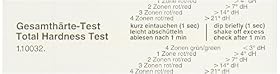
Water-hardness test strips can help you set the machine correctly. A local water utility report may also provide useful information, although water conditions can vary by building and plumbing system.
Buy only compatible descaler
Check the machine manual for approved descaling products. Compatibility matters more than choosing the cheapest bottle. Avoid household acids or improvised mixtures unless the manufacturer explicitly recommends them.
Track actual usage
Write down the date of each descaling treatment and filter replacement. After a year, you will have a more accurate estimate than a generic online calculator can provide.
When a filter may not be worth using
A filter may be unnecessary if the machine is designed for a particular treated-water setup, your water already meets the manufacturer’s requirements, or the filter cost is greater than an alternative approved water source. However, removing a filter without adjusting the machine’s maintenance plan can increase scale risk.
If you stop using a tank filter, reassess water hardness and follow the manual’s descaling guidance. Do not assume that a filter’s absence changes the machine’s programmed settings automatically.
Bottom line
Estimate annual espresso machine maintenance by counting the required descaling treatments and filter replacements, then multiplying each by its per-use cost. Hard water and heavy use generally raise the total, while compatible filtration may reduce scale-related maintenance. The machine manual, water hardness, and actual water consumption are more useful than a single universal yearly figure.
FAQ
How much does it cost to descale an espresso machine for a year?
There is no single yearly amount because treatment frequency and descaler package prices vary. Calculate the number of treatments required by the machine over 12 months, multiply by the cost per treatment, and round up for package quantities.
How often should an espresso machine water filter be replaced?
Replace it according to the machine or filter manufacturer’s stated time, water-volume limit, or machine reminder—whichever applies first. Hard water and frequent use can cause the filter to reach its limit sooner.
Are espresso machine filters cheaper than descaling?
Not necessarily. Filters add a recurring replacement cost, but they may reduce scale buildup and make maintenance more predictable. Compare the annual filter cost with the approved descaler cost and your local water conditions.
Can I use vinegar instead of espresso machine descaler?
Use vinegar only if the manufacturer specifically permits it. Many machines require a compatible branded or approved descaler, and using an unapproved product can conflict with maintenance instructions or warranty requirements.
Does filtered water eliminate the need to descale?
No. A filter can reduce minerals that contribute to scale, but it does not make descaling unnecessary. Continue following the machine’s maintenance prompt and manufacturer instructions.