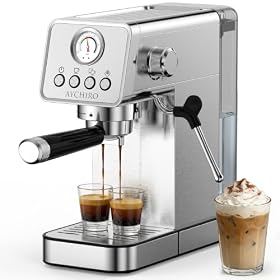
A pod machine is the easier choice for fast, consistent coffee, while a traditional espresso machine offers more control and fresher flavor. Here is how to decide which fits your routine.
A pod machine is usually the better choice if you want coffee with almost no measuring, grinding, or cleanup. A traditional espresso machine is the better choice if you want control over the beans, grind, dose, extraction, and milk texture. Neither option is automatically right for everyone: the main tradeoff is convenience versus involvement and flexibility.
What is the difference?
A pod or capsule machine uses pre-portioned coffee sealed in a disposable or sometimes reusable pod. You insert the pod, start the machine, and discard the used pod afterward.
A traditional espresso machine uses loose ground coffee in a portafilter. You normally need to grind or buy coffee, measure a dose, distribute and tamp it, lock in the portafilter, and clean the basket after brewing. Machines may be manual, semi-automatic, or equipped with additional automation, but they give you more control than a pod system.
The term “real espresso machine” is informal. Pod machines can produce concentrated coffee drinks, but traditional machines are the usual choice when the goal is to control espresso extraction and use freshly ground coffee.
Pod machines: where they make sense
Advantages
Fast, repeatable brewing: A pre-portioned pod removes much of the measuring and dosing work.
Lower learning curve: You do not need to learn grind adjustment, tamping, or shot timing before making a drink.
Less mess: There are no loose grounds to distribute or knock out after every shot.
Convenient storage: Pods are easy to portion and store, especially for occasional use.
Useful for households with different preferences: Some systems offer multiple roast styles and flavored or decaffeinated options.
Limitations
Less control: You generally cannot adjust the coffee dose, grind, or distribution in the same way you can with a portafilter.
Pod dependence: Your choices are limited to the pod format and the coffees made for that system.
Waste: Disposable capsules create more packaging waste than buying coffee beans or grounds in a larger package, although recycling and refill options vary by system.
Taste may be less fresh: Coffee sealed in a pod can be convenient and consistent, but it does not give you the same control over freshly grinding beans immediately before brewing.
Milk drinks still require thought: A built-in milk system may be convenient, while a machine that only brews coffee may require a separate frother.
A pod machine is especially practical for a person who makes one or two drinks at a time, dislikes cleanup, or values consistency more than experimentation.
Product prices and availability are accurate as of the date/time indicated and are subject to change. Any price and availability information displayed on Amazon.com at the time of purchase will apply to the purchase of this product.
Traditional espresso machines: where they make sense
Advantages
Freshly ground coffee: A separate grinder lets you grind immediately before brewing.
More control: You can adjust the grind, dose, yield, and brewing time as you learn what you like.
More coffee choices: You can use beans from different roasters, origins, roast levels, and decaffeinated blends.
Better control over milk texture: A steam wand can produce textured milk for drinks such as cappuccinos and lattes, provided you learn the technique.
Less dependence on single-use pods: You typically buy beans or grounds instead of individually packaged capsules.
Limitations
More equipment: For consistent results, many users need a grinder in addition to the machine.
A learning curve: Small changes in grind size, dose, tamping, and extraction can affect the result.
More cleanup: You need to clear the puck, rinse the basket, wipe the portafilter, and purge or wipe a steam wand when making milk drinks.
More counter space: The machine and grinder may take substantially more room than a compact pod brewer.
Results depend on setup: An expensive machine cannot compensate for stale coffee, an unsuitable grind, or poor maintenance.
A traditional machine makes the most sense when you enjoy the process, want to explore coffee, or regularly drink espresso-based beverages rather than simple brewed coffee.
Product prices and availability are accurate as of the date/time indicated and are subject to change. Any price and availability information displayed on Amazon.com at the time of purchase will apply to the purchase of this product.
Taste and control
The biggest taste difference usually comes from the coffee and the amount of control available, not from the machine’s advertised pressure number alone. A traditional setup can use freshly ground coffee and let you adjust the extraction. That makes it easier to change the balance of strength, acidity, bitterness, and body.
Pod machines trade some of that control for consistency. If you prefer the same familiar drink every morning, that tradeoff may be worthwhile. If you find that coffee often tastes too sour, bitter, weak, or flat and want to adjust the cause, a traditional machine gives you more ways to do so.
Do not choose solely by a high pressure rating. Pump pressure, brew pressure, temperature management, basket design, grinder quality, and the coffee itself all affect the cup. Manufacturers may also describe pressure in ways that are not directly comparable between machines.
Product prices and availability are accurate as of the date/time indicated and are subject to change. Any price and availability information displayed on Amazon.com at the time of purchase will apply to the purchase of this product.
Milk drinks: an important deciding factor
For black espresso, the pod-versus-portafilter choice is relatively simple. Milk drinks add another decision.
A pod machine with an automatic milk system can be convenient, but check how the milk pathway is cleaned. Dried milk residue can cause hygiene and performance problems if the system is not flushed and cleaned as directed.
A traditional machine with a steam wand can produce more control over milk texture and temperature. It also requires more practice and cleaning. Always wipe and purge the wand according to the manufacturer’s instructions after steaming, and avoid overheating milk.
If you mostly drink large milk beverages, consider the entire workflow rather than espresso quality alone. A fast pod system may suit you better than a manual machine that requires several steps for every drink.
Product prices and availability are accurate as of the date/time indicated and are subject to change. Any price and availability information displayed on Amazon.com at the time of purchase will apply to the purchase of this product.
Cost and ongoing supplies
Compare the complete ownership cost rather than only the machine’s purchase price.
A pod setup usually requires a continuing supply of compatible capsules. A traditional setup may require a grinder, a tamper if one is not included, cleaning supplies, and possibly a better basket or portafilter later. Beans can offer more flexibility in how and where you buy coffee, but the total cost depends on your consumption and the equipment you choose.
Also consider maintenance. Both types can need descaling, water-filter replacement, and routine cleaning. Pod machines reduce loose-ground mess, but they are not maintenance-free. Traditional machines expose more removable coffee-contact parts that must be rinsed and cleaned regularly.
Which one should you buy?
Choose a pod machine if most of these statements describe you:
You want the shortest path from pressing a button to drinking coffee.
You do not want to buy or adjust a grinder.
You make drinks occasionally or want consistent portions.
You prefer minimal cleanup.
You are comfortable choosing coffee from the machine’s compatible pod system.
Choose a traditional espresso machine if most of these statements describe you:
You enjoy experimenting with different coffee beans.
You want control over grind, dose, and extraction.
You regularly make espresso, Americanos, cappuccinos, or lattes.
You are willing to learn a repeatable preparation routine.
You accept additional cleaning and the likely need for a grinder.
A practical middle ground
If you want better control but do not want a highly manual setup, look at a semi-automatic machine paired with a capable grinder. You still prepare the portafilter, but you can simplify the routine with a consistent dose and a repeatable recipe.
Some machines also support convenience features such as programmable dosing, automatic milk systems, or compatibility with pre-ground coffee. Treat those features as workflow aids, not substitutes for a suitable grinder and fresh coffee when flavor control matters.
Before buying, check the machine’s basket and portafilter format, grinder requirements, water-tank capacity, milk system, cleaning procedure, and available replacement parts. These specifications affect daily use more than a headline pressure number.
Bottom line
Buy a pod machine for speed, consistency, and low-effort cleanup. Buy a traditional espresso machine for fresh coffee, drink customization, and the ability to improve your results through grind and extraction adjustments. If you are unsure, decide first whether you want espresso to be a quick appliance routine or a hands-on coffee hobby; that answer usually makes the choice clear.
FAQ
Is coffee from a pod machine real espresso?
It can be a concentrated coffee drink made under pressure, but pod systems do not provide the same control over fresh grinding, dose, distribution, and extraction as a traditional portafilter machine. Whether it matches your preferred espresso style depends on the system and the coffee used.
Do I need a grinder for a traditional espresso machine?
Usually, yes, if you want consistent results from whole beans. An espresso-capable grinder lets you adjust the grind precisely. You can use pre-ground coffee, but it limits freshness and control.
Which is easier to clean, a pod machine or an espresso machine?
A pod machine is usually easier after each drink because there are no loose grounds to knock out. Both types still need regular rinsing, descaling, and cleaning according to the manufacturer’s instructions.
Are traditional espresso machines more expensive to use?
Not necessarily. A traditional setup may require more equipment initially, especially a grinder, while a pod setup requires ongoing compatible capsules. Compare the machine, accessories, coffee, waste, and maintenance over the period you expect to use it.
Can a pod machine make cappuccinos and lattes?
Some can, either with an integrated milk system or a separate frother. Check how the machine handles milk and how its milk pathway must be cleaned. A traditional machine with a steam wand offers more control but requires more practice.