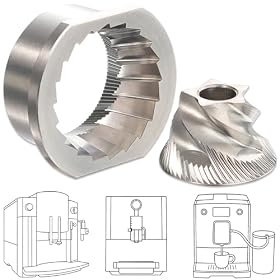
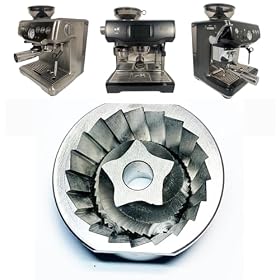
The best compact espresso grinder is not simply the smallest one. It needs enough adjustment range for espresso, a practical dosing workflow, low retention, and dimensions that leave room to operate your machine comfortably.
A compact espresso grinder should save counter space without making espresso harder to dial in. The best choice is usually a grinder with a genuinely espresso-capable adjustment system, consistent burr alignment, a manageable hopper or dosing setup, and dimensions that fit your available workspace—not merely the smallest grinder you can find.
What to look for in a compact espresso grinder
Measure the space before choosing
Measure the available width, depth, and height, including the space needed to remove the hopper, open a lid, adjust the grind, and place a portafilter or dosing cup underneath the outlet.
Height matters especially when the grinder sits beneath cabinets. A grinder may fit on the counter but still be inconvenient if its hopper cannot be removed or filled without moving the machine.
Also consider the space between the grinder and espresso machine. You need enough room to:
Adjust the grind setting without hitting the machine
Remove and clean the hopper or burr carrier
Set down a dosing cup
Move the portafilter into position
Wipe away stray grounds
A slightly wider grinder with a better workflow can be easier to live with than an ultra-narrow model that forces awkward handling.
Prioritize espresso adjustment control
Espresso requires small grind changes. If one setting is too fast and the next is too slow, dialing in becomes frustrating. Look for an adjustment system that allows fine changes and makes it easy to return to a previous setting.
Stepless adjustment can offer very precise control, but it may be harder to find a repeatable setting. Stepped adjustment is easier to track, provided the steps are fine enough for espresso.
For someone who also brews drip coffee or pour-over, check whether the grinder can move between espresso and coarser settings without losing your previous position. Some grinders are better suited to espresso-only use than frequent switching.
Check the burr design and motor claims carefully
Burr size and design can affect grinding speed, heat management, and particle consistency, but a larger burr does not automatically make a grinder better for every home setup. Compact grinders often use smaller burrs to reduce the footprint, which can be perfectly practical for occasional or moderate daily use.
More important questions include:
Is the grinder specifically designed for espresso-capable fineness?
Does the manufacturer describe the burr material and size clearly?
Is the motor intended for the recommended duty cycle?
Can the grinder handle your normal dose without frequent overheating or pauses?
Avoid choosing based on burr diameter alone. A grinder’s adjustment mechanism, alignment, dosing design, and serviceability also affect the result.
Dosing styles that work well in a small space
Hopper dosing
A hopper is convenient if you use the same coffee regularly. It can reduce handling and keep the workflow simple, but it takes more vertical space and may encourage leaving beans exposed longer than necessary.
Check whether the hopper is easy to remove and whether its lid can be opened under your cabinets. A compact hopper is not useful if refilling it requires pulling the grinder out every time.
Single dosing
Single dosing means weighing the beans for each shot and grinding them through. This can reduce the amount of coffee left in the grinder between uses and makes switching beans easier.
Look for a grinder with a practical single-dose workflow, such as a removable hopper or dosing cup, a clear way to add beans, and an outlet that does not scatter grounds across the counter. The exact design matters more than the label “single dose.”
Portafilter dosing
Some grinders dispense directly into a portafilter. This saves a container and can speed up the routine, but compatibility matters. Check whether the holder suits your portafilter size and shape, and whether it supports both pressurized and non-pressurized baskets if you use both.
A dosing cup can be more flexible, particularly if you use multiple baskets or want to weigh the ground coffee before transferring it.
Product prices and availability are accurate as of the date/time indicated and are subject to change. Any price and availability information displayed on Amazon.com at the time of purchase will apply to the purchase of this product.
Features worth paying attention to
Low retention and easy cleaning
Ground coffee left inside the grinder can affect the next dose, particularly when changing beans or grind settings. No home grinder has zero retention in every situation, so look for a design that makes the retained coffee easy to manage and the burr area easy to access.
Useful details include:
A removable upper burr or accessible burr chamber
Clear cleaning instructions
Few narrow areas where grounds collect
A chute that can be brushed without major disassembly
Replacement parts or accessories available from the manufacturer
A grinder that takes slightly longer to clean but opens easily may be more practical than one that claims low retention but is difficult to service.
Noise and vibration
Compact grinders often sit close to the espresso machine, so noise and vibration can be noticeable in a small kitchen. Look for a stable base and a design that does not walk across the counter during grinding.
Manufacturers do not always provide directly comparable noise measurements. Treat “quiet” as a claim to investigate rather than a standardized specification.
Static and mess control
Static can cause grounds to cling to the chute, dosing cup, or counter. A grounds bin, anti-static design, or well-shaped chute may help, but the coffee, humidity, roast level, and grinder setting also influence mess.
A compact grinder should not require a large cleanup area. Check photographs and the manufacturer’s workflow description for how grounds leave the chute and where the dosing cup or portafilter sits.
Timed dosing versus manual control
A timer can make repeat dosing convenient, but time is only an approximation because bean density and grind setting change the output. If dose accuracy matters, weigh the beans or ground coffee rather than relying on the timer alone.
Manual operation can be simpler and more compact. Timed dosing is useful when you want a repeatable routine, provided the controls are easy to adjust.
Product prices and availability are accurate as of the date/time indicated and are subject to change. Any price and availability information displayed on Amazon.com at the time of purchase will apply to the purchase of this product.
Compact grinder trade-offs
The smallest grinder may have a small hopper, slower grinding speed, limited adjustment markings, or a less convenient dosing setup. Those are not automatically deal breakers, but they matter if you make several drinks each day.
A larger grinder may offer faster grinding, a more substantial adjustment mechanism, or a steadier platform. In return, it takes more counter space and may be harder to fit beside a machine.
Use your routine to decide:
One or two espresso drinks daily: compact size, easy cleaning, and reliable fine adjustment may matter most.
Several drinks in a row: consider motor duty cycle, grinding speed, heat management, and hopper capacity.
Frequent bean changes: prioritize single dosing, low retention, and easy adjustment tracking.
Espresso plus filter coffee: choose a grinder with a usable coarse range and a repeatable way to return to espresso.
Limited cabinet clearance: verify the total height and hopper access, not just the grinder body height.
How to choose between two similar compact grinders
If two grinders fit your space, compare them in this order:
Espresso adjustment: Can you make small, repeatable changes?
Workflow: Does it suit your preferred hopper, single-dose, or portafilter routine?
Cleaning: Can you reach the burrs and chute without difficulty?
Capacity and duty cycle: Does it match the number of drinks you make?
Retention and mess: Will switching beans or doses be manageable?
Controls: Are the timer or manual controls easy to use?
Footprint: Which one leaves enough operating space around the machine?
Support: Are instructions, replacement burrs, and service information available?
Do not let a small footprint outweigh poor espresso adjustment or an inconvenient cleaning routine. The grinder sits next to the machine every day, so workflow is part of performance.
Setup tips for a compact grinder
After choosing a grinder, start with the manufacturer’s recommended setting or a middle espresso range if one is provided. Use the same coffee dose and yield while adjusting one variable at a time. If the shot runs too quickly, move finer; if it runs too slowly, move coarser.
Keep the grinder level and stable. Clean the chute and burr area according to the instructions, and avoid putting water into the grinder unless the manufacturer specifically permits it. If you change from a dark, oily coffee to a lighter roast, expect to make a fresh grind adjustment rather than assuming the previous setting will transfer.
When a compact grinder is the wrong choice
Choose a larger or more capable grinder if you regularly prepare many drinks, switch between espresso and coarse brewing several times a day, need a very fast grind, or want extensive control over dose and grind changes.
A separate grinder may also be preferable to an integrated espresso-machine grinder when you want to upgrade the grinder without replacing the machine. Conversely, an integrated grinder can make sense when counter space and a simple all-in-one workflow matter more than maximum flexibility.
The best compact grinder is the one that fits both your counter and your routine. Confirm the manufacturer’s dimensions, adjustment range, capacity, cleaning procedure, and electrical requirements before buying.
FAQ
How small should a compact espresso grinder be?
Choose the smallest grinder that still leaves room to fill or remove the hopper, adjust the grind, position the portafilter or dosing cup, and clean the chute. Compare complete operating dimensions rather than the body size alone.
Are compact grinders good enough for espresso?
Yes, a compact grinder can work well for espresso if it provides fine, repeatable adjustment and is designed for espresso-capable grinding. Small size alone does not determine grind quality.
Is single dosing better for a compact grinder?
Single dosing can be useful when you change beans frequently or want to limit coffee sitting in the hopper. Hopper dosing may be faster for a consistent daily routine. Choose the workflow you will use reliably.
Do I need a separate grinder for an espresso machine?
A separate grinder gives you more control over grind size and lets you upgrade the grinder independently. An integrated grinder saves counter space and simplifies the setup, but may offer less flexibility depending on the machine.
What should I measure before buying?
Measure width, depth, total height, cabinet clearance, hopper-removal clearance, and the space needed for a portafilter or dosing cup. Also check whether the grinder’s power requirements match your electrical supply.