Best espresso machine if you already have a good grinder
A good grinder removes one of the biggest variables in espresso, so your machine choice can focus on temperature control, steam performance, workflow, and ease of maintenance. Here is how to choose the right machine without paying for features your grinder already makes unnecessary.
Best espresso machine if you already have a good grinder
If you already have a capable espresso grinder, you do not need to spend your budget on a machine-and-grinder bundle. Put that money toward the parts of the espresso machine that affect your daily workflow: temperature stability, shot control, steam power, warm-up time, and ease of cleaning.
For most home users, a quality standalone machine with stable brewing temperature and a standard portafilter is a better fit than an entry-level machine that includes a built-in grinder. The best choice depends mainly on whether you make straight espresso, milk drinks, or several drinks back to back.
What your grinder already handles
A good grinder gives you control over one of espresso's most important variables: particle size. It should let you adjust the grind finely enough to control shot time and extraction, with reasonably consistent grounds and a usable dosing workflow.
Because the grinder is already covered, look for a machine with:
Consistent brewing temperature
A pump and brew system suited to your preferred drinks
Useful control over shot volume or brew time
A portafilter and basket system that fits your routine
Steam performance that matches how often you make milk drinks
A cleaning and descaling process you will actually follow
The machine still cannot compensate for poor grinding, but a capable grinder makes it easier to see the differences between machines. Temperature swings, uneven pressure, poor steam control, and inconvenient maintenance become more noticeable when the grind is no longer the main limitation.
Choose the machine type by your drink routine
Thermoblock or compact single-heater machines
These machines can be a practical choice for one or two espresso drinks at a time. They often heat quickly and take up less counter space. Some use a separate heating path or switching process for brewing and steaming, so the transition between pulling a shot and steaming milk may take time.
Choose this type if you mainly make straight espresso or occasional milk drinks and value a smaller footprint. Check the manufacturer’s instructions for warm-up requirements, because a quick power-on time does not always mean the machine is immediately ready for its best shot.
Single-boiler machines
A single-boiler machine uses one boiler for brewing and steaming. This can provide a straightforward workflow and, depending on the design, good control for espresso. The tradeoff is that you generally cannot brew and steam at the same time, and switching between modes may add waiting time.
This is often a sensible middle ground for someone who makes a few drinks at home and wants more control than a basic appliance provides. It is less convenient for preparing several cappuccinos or lattes in succession.
Heat-exchanger machines
Heat-exchanger machines are designed to brew and steam with less switching between functions. They can suit households that make multiple milk drinks and want a more traditional workflow.
Their controls and temperature behavior vary considerably by design. Some users may need to learn the machine’s recommended flush or preparation routine. If you want a machine that behaves simply with minimal technique, read the manufacturer’s operating instructions before choosing this category.
Dual-boiler machines
A dual-boiler machine separates brewing and steaming systems. That can provide a more convenient workflow for frequent milk drinks and better control over brew temperature on machines that offer adjustable settings.
The disadvantages are usually greater size, weight, heat-up demands, and cost. A dual boiler is most worthwhile when you regularly prepare several drinks, care about temperature control, or want to steam milk while brewing. It may be unnecessary for a single espresso drink each morning.
Standalone espresso machines for an existing grinder
Product prices and availability are accurate as of the date/time indicated and are subject to change. Any price and availability information displayed on Amazon.com at the time of purchase will apply to the purchase of this product.
The specifications that matter most
Temperature control
Look for clear information about how the machine controls brew temperature. A basic thermostat, electronic temperature control, and a machine with adjustable temperature settings offer different levels of control.
Adjustable temperature can be useful when you switch between coffee styles or lighter and darker roasts. It is not essential for everyone, but it gives your grinder and coffee more room to perform consistently.
Steam system and milk workflow
If you drink milk-based coffee, pay attention to steam readiness and control rather than just the presence of a steam wand. A machine that produces strong, controllable steam can make it easier to texture milk, but it may also require more practice and cleaning.
Consider:
Whether the wand is manually controlled or uses an automatic system
Whether the machine can steam while brewing
How much milk you typically prepare at once
Whether the wand is easy to wipe and purge after use
Whether replacement tips or parts are available
A manual steam wand offers more control but requires technique. An automatic milk system may be easier for beginners but can add cleaning steps and reduce control over texture.
Portafilter and basket compatibility
A standard-size portafilter can make it easier to find replacement baskets, tampers, and other accessories. However, size alone does not determine shot quality. Basket shape, depth, dosing range, and the machine’s included accessories also matter.
Check what the machine includes before buying additional equipment. Your existing grinder may already be suitable for the machine, but you may still need a correctly sized tamper or dosing cup.
Water reservoir and plumbing
A larger reservoir can reduce refilling, especially if several people use the machine. It also takes more space and can be heavier to remove when full.
Some larger machines can connect to a water line, but that requires suitable installation and water treatment. Follow the manufacturer’s requirements for water quality. Hard water can increase scale buildup, while unsuitable water may affect the machine or warranty.
Controls and shot repeatability
Simple controls are not automatically worse. A machine with a basic brew switch may be a good fit if you prefer to control dose and timing yourself. Programmable volumetric buttons can make repeated drinks easier, but they do not remove the need to adjust the grind when the coffee changes.
If you like experimenting, prioritize control over brew temperature, pre-infusion, pressure, or shot timing where those features are clearly documented. If you want a repeatable morning routine, straightforward programmable controls may be more useful.
Product prices and availability are accurate as of the date/time indicated and are subject to change. Any price and availability information displayed on Amazon.com at the time of purchase will apply to the purchase of this product.
Match the machine to your grinder
Before choosing the machine, confirm that your grinder is actually suited to espresso. It should have fine adjustment, produce consistent grounds, and avoid excessive clumping or retention. A machine with advanced temperature control cannot make up for a grinder that cannot hold a stable espresso setting.
Also consider the grinder’s workflow. If it doses directly into a portafilter, make sure the machine’s portafilter and basket size fit comfortably under it. If you use a dosing cup, check that transferring grounds will not add more mess than your current routine.
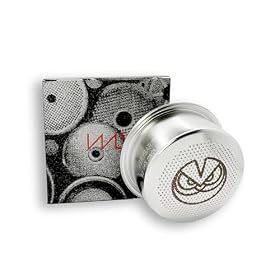
A bottomless portafilter can help reveal channeling, but it is not required for good espresso. Treat it as a diagnostic accessory rather than an automatic upgrade.
Product prices and availability are accurate as of the date/time indicated and are subject to change. Any price and availability information displayed on Amazon.com at the time of purchase will apply to the purchase of this product.
Features worth paying for—and features to question
Pay more when the feature solves a problem you actually have. Temperature stability, a suitable steam system, durable serviceable parts, and a convenient cleaning routine can justify moving up a tier.
Be cautious about paying extra for:
A built-in grinder you will not use
Touchscreen controls that do not improve your workflow
Automatic drink menus if you prefer manual espresso
Oversized boilers when you make only one or two drinks
Pressure claims without useful information about temperature control and operation
A machine with fewer features may be the better choice if it gives you reliable control and is easy to maintain.
Maintenance should influence the decision
Every espresso machine needs regular care. Plan to rinse the group area, clean the portafilter and basket, wipe and purge the steam wand after milk use, empty the drip tray, and follow the manufacturer’s backflushing and descaling instructions.
Do not descale on an arbitrary schedule if the manufacturer specifies a particular procedure or water requirement. Descaling products and methods are not interchangeable across all machines. If the machine develops leaks, electrical problems, unusual noises, or persistent temperature issues, unplug it when safe to do so and contact the manufacturer or a qualified technician rather than opening the machine.
A practical buying decision
Choose a compact thermoblock or single-boiler machine if you mostly make one espresso at a time and want a smaller, simpler setup.
Choose a heat-exchanger machine if milk drinks are common and you want a traditional workflow with less switching between brewing and steaming.
Choose a dual-boiler machine if you regularly make several milk drinks, want stronger workflow separation, or specifically value advanced temperature control.
In all three cases, prioritize a machine that works well with your existing grinder, has accessories you can replace, and fits your counter and cleaning routine. A good grinder already gives you an important advantage; the right espresso machine should complement it rather than duplicate it.
FAQ
Do I need an expensive espresso machine if I already have a good grinder?
Not necessarily. A good grinder lets you avoid paying for a built-in grinder, but the machine should still provide the temperature control, brewing workflow, and steam performance you need. A simpler machine can be enough for occasional straight espresso, while frequent milk drinks may justify a more capable heating system.
Is a dual-boiler espresso machine worth it for home use?
It can be worthwhile if you regularly make several milk drinks, want to brew and steam at the same time, or value more advanced temperature control. For one or two straight espressos per day, its added size, cost, and maintenance may not provide enough practical benefit.
Will my existing grinder work with any espresso machine?
Most espresso grinders can work with many machines, but check the portafilter and basket workflow. Confirm that the grinder can make fine, consistent adjustments and that its dosing method is convenient with the machine you are considering.
Should I buy a bottomless portafilter with the machine?
Only if you want a visual way to diagnose channeling and uneven extraction. It is optional, and it may make a mess when the puck preparation or grind setting is not dialed in. Confirm the correct size and compatibility before buying one.