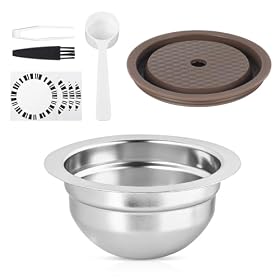
For one espresso a day, the best machine is usually a compact pod model for maximum convenience or a small semi-automatic machine if you care more about fresh coffee and control.
If you only make one espresso a day, prioritize fast startup, easy cleanup, and low waste over café-style power. A compact pod machine is usually the simplest choice. If you want fresher coffee and are willing to grind, tamp, and rinse after each use, choose a small semi-automatic machine instead. You probably do not need a dual-boiler machine, a large water tank, or an integrated grinder.
The best machine type for one daily shot
Choose a pod machine for the least effort
A pod or capsule machine makes the most sense when your priorities are:
Pressing one button and walking away
Consistent portioning
Minimal cleanup
No grinder or espresso-dialing skills
A compact footprint
The tradeoff is that you are tied to a capsule system. Pods can cost more per serving than ground coffee, create more packaging waste, and offer less control over dose and extraction. Check capsule availability and recycling options before buying.
Choose a compact semi-automatic machine for better coffee control
A small semi-automatic machine is the better fit if you want to use freshly ground coffee and adjust the drink to your taste. It requires more work: you need a grinder, a portafilter, a properly sized basket, and a few minutes for preparation and cleanup.
For one shot a day, look for:
A short, clearly stated heat-up time
A standard or readily replaceable basket and portafilter system
A removable water tank and drip tray
Simple access to the brew area for rinsing
A steam wand only if you regularly make milk drinks
A compact design that can remain ready on your counter
A machine with a small single-boiler or thermoblock-style heating system is generally sufficient for one espresso at a time. You gain lower size and complexity compared with machines designed for repeated drinks, although milk steaming may require a pause between brewing and steaming.
Choose a super-automatic machine only for maximum automation
A super-automatic machine grinds, doses, brews, and often cleans itself with guided programs. It can be convenient, but it is usually more machine than necessary for one plain shot a day. It also has more internal parts to maintain and may take up more counter space.
It becomes more reasonable if multiple people use the machine, you want push-button milk drinks, or you strongly dislike manual preparation.
What matters most when comparing machines
Heat-up time
For a single daily shot, waiting several minutes can be more annoying than having a less powerful machine. Treat the manufacturer's heat-up figure as a starting point: actual readiness can vary depending on the drink, temperature setting, and whether you need steam.
If you want a milk drink, confirm that the machine can steam milk without a long delay after brewing. A fast brew-ready machine is not necessarily fast at producing steam.
Cleanup
Daily cleanup matters more than a large water reservoir. Look for a removable drip tray, an accessible brew group or pod chamber, and parts that can be rinsed without special tools.
After each shot, remove the used pod or knock out the coffee puck, rinse the basket or brew area, and empty standing water when needed. Milk equipment requires immediate rinsing and purging after every use; dried milk is much harder to remove.
Water tank size
A small tank is usually adequate for one shot a day and takes up less space. A larger tank means fewer refills but may hold water for longer than recommended. Follow the manufacturer's guidance for emptying and replacing water, especially if the machine is used infrequently.
Grinder requirements
A semi-automatic machine without a built-in grinder is often smaller and easier to replace or upgrade, but you must budget for a separate espresso-capable grinder. A general-purpose blade grinder is unlikely to provide the consistent fine adjustment espresso needs.
If you only make one shot daily, buy coffee in small quantities and store it in an airtight container. Freshly grinding only the amount you need helps avoid wasting beans.
Pod versus ground-coffee cost
Compare more than the machine's purchase price. Include capsules or coffee beans, filters if required, cleaning tablets, descaler, and any grinder needed for a semi-automatic setup.
Pod machines reduce preparation time but can have higher ongoing serving costs. Ground coffee gives you more choice and can cost less per drink, but the grinder and daily cleanup add both expense and effort.
Product prices and availability are accurate as of the date/time indicated and are subject to change. Any price and availability information displayed on Amazon.com at the time of purchase will apply to the purchase of this product.
A simple decision rule
Choose a pod machine if you want the fastest, cleanest routine and do not mind using a capsule system.
Choose a compact semi-automatic machine if taste, fresh grinding, and control matter more than convenience.
Choose a super-automatic machine only if you want the machine to handle grinding and dosing or if other people will use it regularly.
For most one-shot households, a compact pod machine is the practical default. A small semi-automatic setup is the better choice for someone who sees that one daily shot as a coffee ritual rather than a quick caffeine stop.
Product prices and availability are accurate as of the date/time indicated and are subject to change. Any price and availability information displayed on Amazon.com at the time of purchase will apply to the purchase of this product.
Features you can usually skip
One daily shot rarely justifies paying extra for:
A dual boiler designed for brewing and steaming at the same time
A very large water reservoir
Multiple commercial-style portafilters
High-volume café-style duty ratings
Extensive programmable drink menus
A built-in grinder if you already own a suitable grinder
These features are not inherently bad, but they add cost, size, or maintenance without necessarily improving a single daily espresso.
Product prices and availability are accurate as of the date/time indicated and are subject to change. Any price and availability information displayed on Amazon.com at the time of purchase will apply to the purchase of this product.
Before you buy
Check the following details in the product documentation:
Counter clearance: Include room above the machine if the water tank lifts out from the top.
Power and voltage: Use a machine rated for your home's electrical supply. Do not use an adapter or extension setup that conflicts with the manufacturer's instructions.
Water quality guidance: Hard water may require more frequent descaling or filtration.
Consumables: Confirm that pods, baskets, gaskets, and cleaning supplies are available for the machine.
Warranty and service: A machine that is easy to service may be a better long-term choice than one with more features.
Drink type: If you mainly drink milk beverages, evaluate the steam wand or automatic milk system separately from the espresso function.
Product prices and availability are accurate as of the date/time indicated and are subject to change. Any price and availability information displayed on Amazon.com at the time of purchase will apply to the purchase of this product.
Bottom line
The best machine for one shot a day is usually a compact pod machine when convenience is the deciding factor. Choose a small semi-automatic machine instead if you are willing to add a grinder and clean the equipment daily for more control and fresher coffee. Keep the setup simple: reliable heating, accessible cleanup parts, a suitable footprint, and consumables you can easily replace matter more than commercial-style specifications.
FAQ
Is a pod machine worth it for one espresso a day?
Yes, if convenience and consistent preparation matter most. A pod machine avoids grinding and tamping, but capsules may cost more per serving and give you less control over the coffee.
Do I need an expensive espresso machine for one shot a day?
Usually not. A compact machine with reliable heating, simple cleanup, and an appropriate basket or capsule system is generally enough. Larger dual-boiler or high-capacity machines are mainly useful for frequent drinks or milk-heavy routines.
Should I buy a machine with a built-in grinder?
Only if you value an all-in-one setup and have room for it. A separate espresso grinder can offer more flexibility, while a built-in grinder saves counter space but adds another component to maintain.
What is the easiest espresso machine to clean daily?
Pod machines usually have the simplest daily routine. Semi-automatic machines are also manageable if the portafilter, basket, drip tray, and brew area are easy to remove and rinse. Any milk system needs cleaning immediately after use.