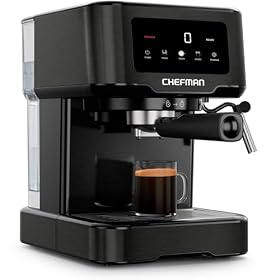
The best super-automatic espresso machine for weekday mornings is the one that makes your usual drink quickly with minimal cleanup. Focus on heat-up time, one-touch drink controls, milk-system design, grinder adjustment, and how easy it is to rinse and empty.
A super-automatic espresso machine is a strong choice for weekday mornings because it grinds beans, doses coffee, brews espresso, and often froths milk with limited hands-on work. The best option depends less on the longest drink menu and more on whether it can make your usual coffee quickly, repeatably, and without a complicated cleanup routine.
What to prioritize for weekday use
Fast startup and simple controls
Look for controls that let you select a drink directly rather than requiring several menu steps. A clear display or labeled buttons can be more useful than a large number of specialty beverages.
Check whether the machine has a standby or quick-start feature, but remember that heating behavior varies by design. A machine may still need a short warm-up, rinse, or grinding cycle before the cup is ready.
Drinks you actually make
If you mainly drink espresso or black coffee, a compact machine with direct espresso and coffee controls may be the best fit. If you make lattes or cappuccinos, prioritize the milk system instead of paying extra for drink presets you will not use.
Useful questions include:
Can it save or repeat your preferred coffee strength and volume?
Does it make two black coffees at once, if that matters in your household?
Can you adjust the milk quantity and temperature?
Does it offer hot water separately for tea or Americanos?
A grinder with practical adjustment
Built-in grinders keep the morning routine compact, but grinder adjustability still matters. More adjustment levels can make it easier to tune flavor as you change beans, though a large adjustment range is not automatically better for every user.
Check the machine’s instructions before changing the grinder setting. Some designs require the grinder to be running while the setting is changed, and forcing an adjustment can damage the mechanism.
Milk-system convenience
Milk systems generally fall into three groups:
Manual steam wand: Offers the most control but requires a separate pitcher and some practice.
Attached milk container: Convenient for one-touch milk drinks, but the container and tubing need regular rinsing.
Milk tube or external container: Can be easier to store in the refrigerator, depending on the design, but adds another tube to clean.
For weekday speed, an automatic milk system is usually more convenient. For easier long-term maintenance, a simple steam wand may be preferable if you are willing to froth milk yourself.
The easiest super-automatic to live with
Convenience depends heavily on maintenance. Every super-automatic still needs routine care, including emptying the drip tray and grounds container, rinsing removable parts, cleaning the milk path, and following the machine’s descaling schedule.
Before buying, check whether:
The brew unit is removable for rinsing.
The drip tray and grounds container are easy to remove without spills.
The water tank is accessible where you plan to place the machine.
The milk container or tube can be disassembled for cleaning.
The machine provides clear alerts for cleaning, descaling, and emptying.
Replacement filters and cleaning supplies are readily available.
A machine with more automatic cleaning programs may reduce daily effort, but it does not eliminate maintenance. Milk residue should be cleaned promptly, and automatic rinse cycles can use additional water and fill the drip tray faster.
Super-automatic espresso machines for fast weekday coffee
Product prices and availability are accurate as of the date/time indicated and are subject to change. Any price and availability information displayed on Amazon.com at the time of purchase will apply to the purchase of this product.
Choose by morning routine
For black coffee and espresso
Choose a machine with direct espresso and coffee buttons, adjustable strength and volume, and a grinder that accommodates the beans you prefer. A simpler milk system is acceptable if you rarely make milk drinks.
For daily lattes and cappuccinos
Prioritize a reliable milk workflow, adjustable milk volume, and easy access to the milk-cleaning parts. A one-touch system saves time, but only if you are prepared to rinse the milk components as directed.
For more than one person
A larger water tank and grounds container can reduce refilling, but they also take up more counter space. A machine with user profiles or saved drink settings can be useful when household members prefer different strengths or volumes.
If two people often need drinks at the same time, verify whether the machine supports simultaneous brewing or only prepares one drink through a single brew path. Milk drinks may still require additional time between servings.
For a small kitchen
Measure the machine’s full footprint, including the space needed to open the water tank, remove the brew unit, and empty the grounds container. A narrow machine can be inconvenient if cabinets or a wall prevent access to removable parts.
Also check the clearance above the machine. Some water tanks and bean hoppers lift upward rather than sliding forward.
Compact super-automatic machines for small kitchens
Product prices and availability are accurate as of the date/time indicated and are subject to change. Any price and availability information displayed on Amazon.com at the time of purchase will apply to the purchase of this product.
Features that are easy to overvalue
A long drink list does not necessarily mean a better weekday machine. Many specialty presets use the same basic coffee and milk components with different volumes or sequences.
Touchscreens can look convenient, but physical buttons or a simpler interface may be faster for a familiar morning drink. Likewise, a larger bean hopper is useful only if you consume enough coffee to justify the added size and if you do not frequently switch beans.
Do not select a machine solely by pump-pressure claims. Espresso quality also depends on dose, grind, temperature control, brewing design, and the beans themselves. Manufacturer specifications should be compared carefully because numbers alone do not describe the finished drink.
Setup tips for better results
Use fresh beans that suit automatic machines, and avoid oily beans if the manufacturer warns against them. Very oily beans can increase residue in the grinder and brewing path.
When setting up the machine:
Follow the initial rinsing and water-hardness instructions.
Adjust the drink strength and volume gradually rather than changing several settings at once.
Make several drinks after a grinder adjustment before judging the result.
Keep the brew unit and milk components clean according to the manual.
Use the specified descaler and water filter, if the machine calls for them.
If the coffee tastes weak, first check the strength setting, bean freshness, grind adjustment, and whether the drink volume is too large for the selected dose. If milk is too cool or foamy, inspect the milk tube, use cold milk as directed, and confirm that the milk system is assembled correctly.
When a super-automatic is not the best choice
A super-automatic may not suit you if you want to practice manual espresso preparation, texture milk to a specific standard, use a variety of brewing recipes, or change beans several times a day. A semi-automatic machine with a separate grinder offers more control but requires more time and skill.
It may also be a poor fit if you dislike cleaning narrow milk tubes, emptying drip trays, or buying manufacturer-specified cleaning supplies. In that case, a simpler espresso setup or a non-milk coffee brewer may be easier to maintain.
Bottom line
For weekday mornings, choose the super-automatic that makes your regular drink with the fewest steps and has maintenance you will actually keep up with. Prioritize drink controls, grinder adjustment, milk-system cleanup, removable parts, tank access, and counter clearance. Treat a large drink menu and touchscreen interface as secondary features unless they directly improve your routine.
FAQ
Are super-automatic espresso machines good for busy mornings?
Yes. They automate grinding, dosing, brewing, and often milk frothing, so they can reduce hands-on work. You still need to refill water and beans and clean the brew and milk systems regularly.
What is the most important feature in a weekday super-automatic?
The most important feature is a fast, simple workflow for the drink you make most often. Direct drink controls, repeatable settings, accessible water and grounds containers, and easy cleaning usually matter more than an extensive drink menu.
Do super-automatic machines make real espresso?
They brew concentrated coffee using an automated grinding and brewing system, but results vary by machine, beans, grind setting, dose, and temperature control. They are convenient rather than a direct replacement for a highly adjustable manual setup.
Are automatic milk systems hard to clean?
They can require more cleaning than black-coffee brewing because milk residue can remain in tubes and connectors. Follow the manufacturer’s rinse and cleaning instructions, and clean milk-contact parts promptly after use.