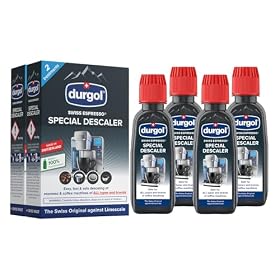
The safest espresso machine descaler is the one approved for your machine and used at the stated dilution. Compare descaler formulas, avoid common mistakes, and learn when a cleaning product is not a substitute for descaling.
The safest descaler for your espresso machine is the product approved in its manual, used at the stated dilution and rinse procedure. If the manufacturer specifies a brand or chemical type, follow that guidance first—especially for machines with aluminum boilers, thermoblocks, automatic milk systems, or built-in descaling programs.
What espresso machine descaler does
Descaler dissolves mineral buildup caused by hard water. Scale can restrict water flow, reduce heating performance, make the pump sound different, and cause inconsistent brewing or steaming.
Descaler is different from:
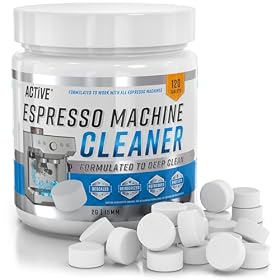
Espresso machine cleaner: Usually removes coffee oils from the brew path, portafilter, and group head. It does not remove mineral scale.
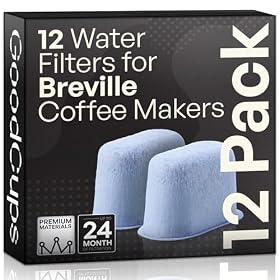
Water filter: Helps reduce incoming minerals but does not remove scale that is already inside the machine.
Vinegar: It may dissolve some scale, but many manufacturers warn against it because of odor, taste, material compatibility, or rinsing concerns.
How to choose a safe descaler
Check the machine manual first
Look for the recommended descaler, chemical type, dilution, water volume, and descaling interval. Some machines require a specific maintenance program, and interrupting that program can leave descaler in the boiler or water circuit.
If you no longer have the manual, look up the exact model on the manufacturer's support site. Do not rely only on a product listing that says “universal,” because compatibility and dosing instructions still vary.
Look for espresso-machine compatibility
Choose a product explicitly labeled for espresso machines, coffee machines, or similar heated water appliances. The label should provide clear instructions for dilution and rinsing.
Common descaling acids include citric, lactic, and sulfamic acid. The acid name alone does not prove that a product is suitable for your machine. The complete formula, concentration, and manufacturer instructions matter more than the marketing term.
Consider the machine's materials
Most home espresso machines contain a combination of stainless steel, brass, copper, aluminum, plastic, rubber, and silicone. A descaler that is acceptable for one design may not be recommended for another. Pay particular attention to the manual if the machine has an aluminum boiler, an exposed heating element, or a thermoblock.
Avoid products that do not clearly state their intended appliance use or provide no mixing and rinsing directions.
Choose liquid or powder based on the instructions
Liquid descaler is ready to measure but may cost more to store and ship. Powder or tablet descaler can be convenient and compact, but it must dissolve completely and be measured correctly. Never guess the concentration by making the solution “stronger”; a stronger mixture may damage components or be harder to rinse away.
Product prices and availability are accurate as of the date/time indicated and are subject to change. Any price and availability information displayed on Amazon.com at the time of purchase will apply to the purchase of this product.
How to descale an espresso machine safely
Use the machine's manual as the controlling procedure. In general:
Remove the portafilter and any coffee from the machine.
Remove or bypass the water filter if the manual instructs you to do so.
Mix the descaler with the specified amount of water. Use the recommended container and avoid splashing.
Run the machine's automatic descaling program, if it has one.
If the machine has no program, dispense the solution through the brew outlet and steam or hot-water wand only as directed by the manufacturer.
Let the machine complete the required pauses or soaking periods. Do not leave it unattended if the manual warns against doing so.
Empty the solution and rinse the reservoir thoroughly.
Run the full amount of clean-water rinsing cycles specified by the manufacturer. More than one reservoir may be required.
Reinstall or replace the water filter only after the descaling and rinsing process is complete.
Keep the solution away from your eyes, skin, countertops, and food-contact surfaces. Wear the protective equipment stated on the product label, and never mix descaler with bleach, cleaner, or another chemical.
Product prices and availability are accurate as of the date/time indicated and are subject to change. Any price and availability information displayed on Amazon.com at the time of purchase will apply to the purchase of this product.
Descaling mistakes to avoid
Using vinegar without checking the manual: It can leave a persistent smell and may not be approved for the machine.
Confusing cleaner with descaler: Backflushing cleaner will not remove mineral scale from the boiler or thermoblock.
Using too little rinse water: Residual acid can affect taste and may continue reacting with internal materials.
Leaving a water filter installed when instructed to remove it: The filter can absorb the solution or become unsuitable for further use.
Overdosing: A stronger solution is not automatically better.
Descaling too frequently: Follow the machine's guidance and adjust for water hardness rather than using a random schedule.
Ignoring a blocked machine: Severe scale may loosen and move into a valve or narrow passage. If flow does not return after the approved procedure, service may be needed.
Product prices and availability are accurate as of the date/time indicated and are subject to change. Any price and availability information displayed on Amazon.com at the time of purchase will apply to the purchase of this product.
When a different solution is needed
If water flow is weak but the machine has not requested descaling, check simpler causes first: an empty or poorly seated reservoir, a blocked intake screen, a clogged shower screen, an incorrectly installed water filter, or a blocked steam tip. A dirty group head may need espresso machine cleaner rather than descaler.
If the pump runs but water barely moves after a correctly completed descaling cycle, stop repeating the cycle. The machine may have a blocked valve, failed pump, airlock, or another internal fault. Consult the manufacturer or a qualified appliance technician, particularly before opening the case or working near electrical and heated components.
Replace a water filter when its service interval has passed, but do not treat filter replacement as a substitute for descaling. If the machine leaks, trips a breaker, smells overheated, or shows an error after maintenance, unplug it when safe and arrange service according to the manufacturer's instructions.
FAQ
Is citric acid safe for an espresso machine?
It can be suitable for some machines, but safety depends on the machine's materials, the product formula, concentration, and the manufacturer's instructions. Use a citric-acid product only when the manufacturer permits it and follow the stated dilution and rinsing procedure.
Can I use vinegar instead of espresso machine descaler?
Do not use vinegar unless your machine's manufacturer specifically allows it. Many manufacturers discourage vinegar because of odor, taste, material compatibility, or rinsing concerns.
How often should I descale an espresso machine?
Follow the machine's maintenance reminder or manual. The interval depends on water hardness, usage, and whether the machine uses a water filter. Hard water and frequent use generally require more frequent descaling.
Is espresso machine cleaner the same as descaler?
No. Cleaner removes coffee oils and residue from areas such as the group head and portafilter. Descaler removes mineral buildup from the water and heating circuit.
Should I remove the water filter before descaling?
Many machines require the filter to be removed or bypassed before descaling, but procedures vary. Check the manual, then replace or reinstall the filter only after the recommended rinse cycles.