A quiet pump can make apartment espresso more pleasant, but it is only one part of the noise picture. Here is how to compare pump types, evaluate manufacturer claims, and avoid overlooking the grinder, steam system, and countertop vibration.
A quiet pump is a useful buying filter for an apartment, but it should not be your only one. Espresso-machine noise also comes from the grinder, water flow, steam valve, vibration against the counter, and the way the manufacturer measures sound. In general, rotary-pump machines tend to have a smoother, lower-noise character than many compact vibration-pump machines, but the specific machine’s construction matters more than the pump label alone.
Why pump noise matters in an apartment
An espresso machine may run for only a short time, but early-morning noise can still travel through a countertop, cabinet, or shared wall. The most noticeable sounds usually occur during:
Grinding, if the machine has a built-in grinder
Brewing and preinfusion
Steam production
The pump running while the machine fills or heats
The cup, portafilter, or drip tray rattling against the chassis
A quieter pump will not make a noisy grinder silent, and it will not prevent vibration from transferring into the counter. Treat pump noise as one part of an overall apartment-friendly design.
Vibration pumps versus rotary pumps
Vibration pumps
Vibration pumps are common in compact home espresso machines. They are relatively small and can deliver the pressure required for espresso, but their rapid pulsing often produces a noticeable buzz or rattle during brewing.
That does not mean every vibration-pump machine is unacceptably loud. Rubber mounts, internal insulation, the pump’s location, and the machine’s outer panels can all affect the final sound. A well-isolated vibration pump may be more pleasant than a poorly damped machine using a different pump design.
Rotary pumps
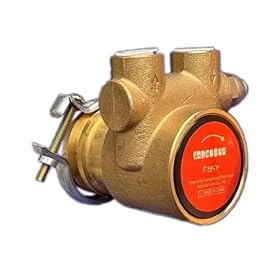
Rotary pumps generally produce a steadier, less buzzy sound. They are more common in larger machines and designs that may support a direct water connection, although a rotary pump does not automatically mean the machine must be plumbed in.
The tradeoffs can include a larger footprint, higher weight, and a higher purchase cost. For an apartment, also check whether the machine’s water tank, drainage arrangement, and installation requirements fit your counter. A quieter pump is not useful if the machine is too large or inconvenient to maintain.
Do not choose from pump type alone
Pump type is a helpful first screen, not a guarantee. Before buying, look for all of the following:
A manufacturer-stated sound level, if one is provided
The test conditions behind that sound level
Reviews or demonstrations that include brewing rather than only idle operation
Reports about rattling, buzzing, or vibration through the counter
Whether the machine includes a grinder that runs at the same time as brewing
Sound-level numbers are difficult to compare when manufacturers use different microphone distances, room conditions, and operating modes. A decibel figure without test conditions should be treated as a rough clue rather than a universal ranking.
Product prices and availability are accurate as of the date/time indicated and are subject to change. Any price and availability information displayed on Amazon.com at the time of purchase will apply to the purchase of this product.
The grinder may be louder than the pump
If you are considering a machine with an integrated grinder, listen for the grinder’s noise separately. Grinding often produces a sharper, more intrusive sound than brewing, and it can last longer depending on the dose and grind setting.
A separate grinder gives you more flexibility. You can place it on a different surface, operate it at a more convenient time, or choose a model designed with noise reduction in mind. The tradeoff is that it takes more counter space and adds another appliance.
If apartment quiet is a high priority, compare these two setups rather than assuming an all-in-one machine is quieter:
An espresso machine with a built-in grinder
A machine without a grinder paired with a separate grinder
Product prices and availability are accurate as of the date/time indicated and are subject to change. Any price and availability information displayed on Amazon.com at the time of purchase will apply to the purchase of this product.
Other machine features that affect noise
Thermoblock and boiler operation
Heating systems can make clicking, humming, or occasional refill sounds. These noises are usually different from pump noise and may occur even when you are not actively pulling a shot. A machine with multiple heating systems can also have more operating components, although construction and insulation still determine how noticeable they are.
Steam use
Steam can be louder than brewing because of the escaping air and water. If you mainly make milk drinks, pay attention to steam-wand noise and valve behavior—not just the brewing pump.
Countertop vibration
A machine can sound louder when it transfers vibration into a hollow cabinet or thin counter. Check that the feet sit evenly and that the drip tray, water tank, cup tray, and portafilter are firmly seated. A dense, non-slip mat may reduce rattling, but it should not block ventilation or make the machine unstable.
Water and plumbing sounds
The sound of water entering the boiler or moving through the system can be separate from the pump’s main operating noise. If the machine is connected to a water line, installation may introduce additional plumbing sounds or vibration. Follow the manufacturer’s requirements for connections and pressure.
Product prices and availability are accurate as of the date/time indicated and are subject to change. Any price and availability information displayed on Amazon.com at the time of purchase will apply to the purchase of this product.
How to shop for a quieter apartment machine
Use this order when comparing models:
1. Decide whether you need an integrated grinder
If you already own a grinder, a machine without one may reduce simultaneous noise and give you more control over appliance placement. If you need an all-in-one setup, investigate grinder noise as carefully as pump noise.
2. Identify the pump type and operating setup
Check whether the machine uses a vibration or rotary pump and whether it has a tank, direct connection, or both. Then look for independent evidence about its operating sound. Pump type alone should not decide the purchase.
3. Look for sound claims with context
Prefer specifications that explain how and where sound was measured. Be cautious when comparing a number from one manufacturer with a number from another that may have been measured under different conditions.
4. Check the machine’s physical design
A heavy, well-supported chassis may resist rattling, but weight is not proof of quiet operation. Look for secure removable parts, stable feet, and comments about vibration reaching the countertop.
5. Match the machine to your drink routine
For occasional espresso, a compact machine with a vibration pump may be a reasonable compromise if you can tolerate a short burst of noise. For frequent milk drinks or a household with early-morning brewing, pump and steam noise deserve more attention.
6. Confirm the return policy and warranty
Noise is partly subjective and can vary with the counter and room. Buy from a seller with a clear return policy, and keep the packaging until you know the machine is suitable. If a new machine makes an abnormal grinding, scraping, electrical, or burning smell, stop using it and contact the manufacturer rather than opening the housing.
Product prices and availability are accurate as of the date/time indicated and are subject to change. Any price and availability information displayed on Amazon.com at the time of purchase will apply to the purchase of this product.
Ways to reduce noise after purchase
You can often reduce nuisance noise without modifying the machine:
Place it on a stable, solid counter rather than a hollow shelf.
Make sure the feet are level and all removable parts are seated correctly.
Keep cups and accessories from touching the machine during operation.
Use a suitable anti-vibration mat if it does not obstruct ventilation or create instability.
Keep the water tank filled to the manufacturer’s minimum level.
Descale and clean the machine according to the manual; restricted flow can make operation sound abnormal.
If possible, grind coffee away from a shared wall or at a less disruptive time.
Do not remove covers, bypass safety controls, or add insulation inside the machine. Electrical and high-temperature components should be serviced only as directed by the manufacturer or by a qualified professional.
When a quiet pump should change your decision
Make pump noise a major buying filter when you brew early, share walls, have a sensitive household, or plan to use the machine frequently. In those cases, prioritize a machine with credible noise information, good vibration isolation, and a separate or acceptably quiet grinder.
If you brew occasionally and already have a separate grinder, pump noise may be a smaller concern than temperature control, ease of cleaning, footprint, and repair support. A compact vibration-pump machine can still be a sensible choice when its brief operating noise fits your routine.
The practical conclusion is simple: use pump type to narrow the field, then judge the complete machine. Grinder noise, steam operation, rattles, and countertop vibration often determine whether an espresso machine feels quiet in a real apartment.
FAQ
Are rotary-pump espresso machines always quieter than vibration-pump machines?
No. Rotary pumps often produce a smoother, less buzzy sound, but chassis design, insulation, pump mounting, and counter vibration also matter. A well-isolated vibration-pump machine can be quieter than a poorly damped rotary-pump machine.
Is an espresso machine with a built-in grinder quieter?
Not necessarily. An integrated grinder saves space, but grinding can be louder and more noticeable than brewing. Compare the grinder and pump noise separately, or consider a separate grinder that can be placed away from a shared wall.
Can an anti-vibration mat make an espresso machine quieter?
It may reduce rattling and vibration transferred into the counter. Use only a stable mat that does not block ventilation, interfere with the machine’s feet, or make the appliance unsafe.
What is the best sound specification to compare between espresso machines?
A manufacturer-stated decibel figure can help if the measurement distance, operating mode, and test conditions are clear. Without that context, compare independent demonstrations or reports cautiously because sound measurements are not always directly comparable.